Introduction
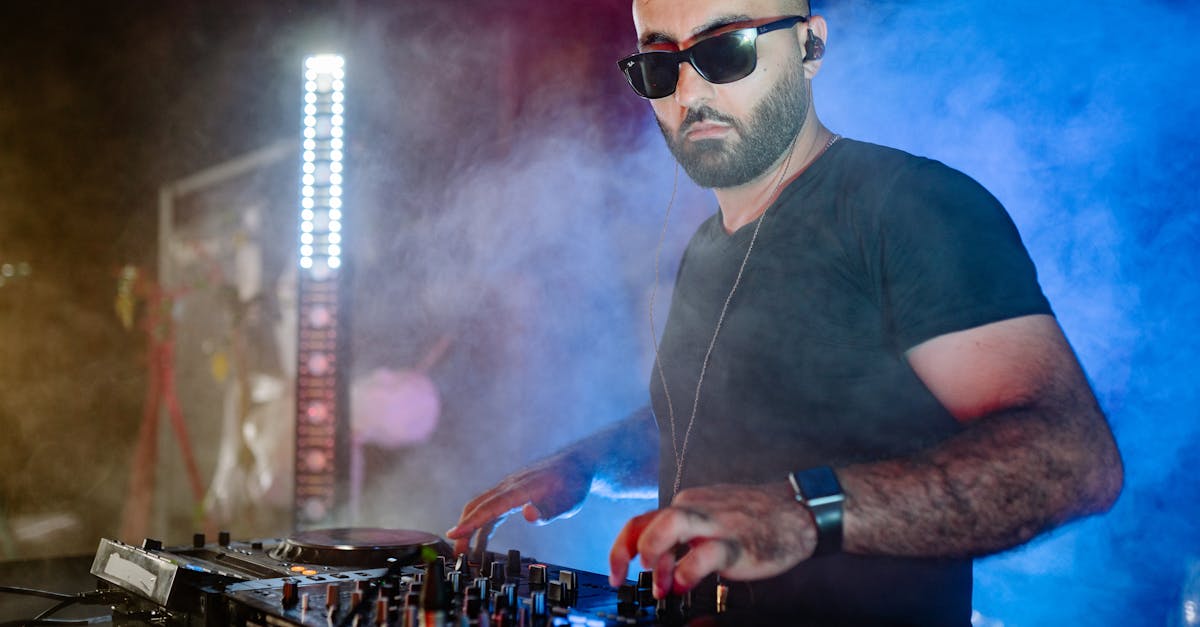
The world of arts and entertainment is a dynamic realm, constantly pulsing with creativity and innovation. From the ancient Greek theaters to today's digital platforms, art has always found new vessels for expression. Artists across the globe are continuously pushing boundaries, exploring new mediums, and engaging audiences in novel ways. The art world serves as a reflection of society's evolution, incorporating diverse influences and sparking important conversations. In this thriving ecosystem, creativity flows seamlessly between traditional and modern forms. This article unravels the intricate tapestry of creativity shaping the arts and entertainment landscape today.
The Converging Worlds of Art and Technology
In recent decades, the intersection of art and technology has forged a new frontier for creative expression. Virtual reality and augmented reality have created immersive experiences that transport audiences into otherworldly realms. Digital platforms like Instagram and TikTok allow artists to reach global audiences instantly, offering new opportunities for engagement and interaction. Meanwhile, AI-driven tools are enhancing creative processes, offering artists new ways to explore and produce content. The seamless integration of these technologies not only expands artistic possibilities but redefines how audiences interact with art. As these digital tools become increasingly sophisticated, artists are poised to embrace even more transformative possibilities.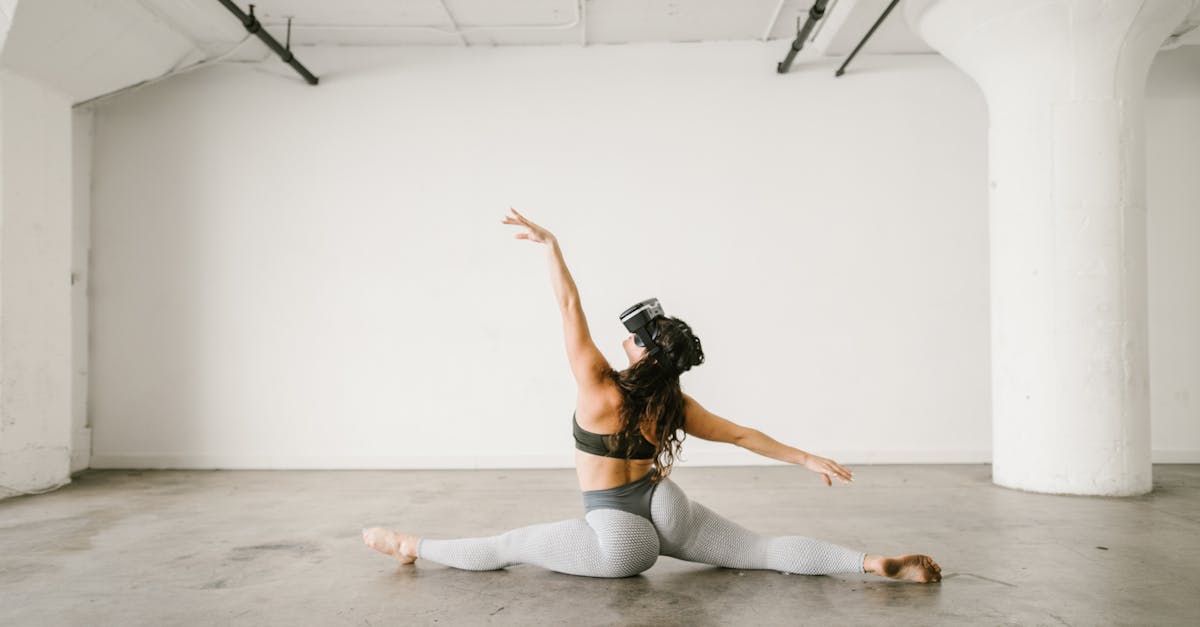
The Rise of Multisensory Experiences
Contemporary art has shifted towards creating multisensory experiences that engage audiences on multiple levels. These installations often blend visual art with elements like sound, touch, and scent to provoke profound emotional responses. Iconic examples include immersive exhibitions like Van Gogh Alive and Yayoi Kusama's Infinity Mirrors, where visitors experience art as an all-encompassing sensory journey. These experiences challenge the traditional boundaries of audience interaction, prompting viewers to become active participants rather than passive observers. By engaging multiple senses, these installations create memorable, transformative experiences that captivate audiences and linger in their memories long after the exhibit ends.
Globalization and Cross-Cultural Influences
The globalized nature of today's world has sparked a vibrant exchange of ideas and influences across art communities. Artists from diverse backgrounds are drawing inspiration from a wealth of cultural traditions, resulting in innovative, hybrid forms of expression. Festivals like Art Basel and the Venice Biennale showcase a kaleidoscope of cultural diversity, celebrating artists from all corners of the globe. This cross-pollination of ideas encourages collaboration and fosters a deeper understanding of different cultural perspectives. As artists continue to explore and integrate these influences, the arts and entertainment sector will remain a powerful catalyst for connecting disparate cultures and amplifying diverse voices.
Resurgence of Traditional Arts in Modern Contexts
While technology and globalization drive much of contemporary artistic innovation, there is a notable resurgence of traditional arts in modern contexts. Many artists are revisiting classical techniques, revitalizing them with contemporary themes and narratives. This blending of old and new allows for a renewed appreciation of traditional crafts, techniques, and materials. By reimagining these timeless forms in a modern light, artists breathe new life into cultural heritage while addressing relevant social and political issues. As a result, there is a growing appreciation for the continuity and evolution of artistic traditions, demonstrating their enduring relevance in a rapidly changing world.
The Role of Social Media in Art's Popularity
Social media platforms are revolutionizing how art is discovered, shared, and appreciated in today's digital age. Artists leverage platforms like Instagram and Pinterest to showcase their work, attracting followers and building a global fan base. These platforms democratize art, allowing emerging talents to reach audiences without traditional gatekeepers. Additionally, social media fuels an ongoing dialogue between artists and their audience, fostering a sense of community and collaboration. On platforms like YouTube, art enthusiasts can access educational content, tutorials, and artist interviews, further enriching their understanding and appreciation of contemporary art. By amplifying artists' voices, social media has become an influential catalyst for the arts.
Collaborative Artistic Endeavors and Community Art
Collaboration has become a driving force within the arts community, resulting in innovative and cross-disciplinary projects. Artists are joining forces across mediums and disciplines, from visual arts to music and technology, to create thought-provoking works that resonate with diverse audiences. Community art initiatives further propagate the spirit of collaboration, inviting individuals to participate in artistic creation and expression. These projects prioritize accessibility, encouraging public engagement and empowering individuals to express themselves creatively. By fostering a sense of belonging and shared ownership, collaborative arts projects create vibrant, inclusive communities where diverse voices are celebrated and empowered.
Sustainability in Arts Entertainment
As environmental concerns grow, artists are increasingly incorporating sustainability into their work, prompting important discussions about ecological responsibility. Many are adopting eco-friendly practices, using recycled materials and reducing waste to minimize their carbon footprint. Exhibitions highlighting environmental themes aim to raise awareness and provoke dialogue on critical issues. The intersection of art and sustainability is gaining traction, with initiatives like eco-friendly art festivals and eco-conscious galleries promoting environmental stewardship. By addressing these urgent challenges, the arts contribute to broader societal efforts toward a sustainable future, inspiring audiences to reflect on their relationship with the environment and make conscious choices for the planet.
The Evolving Narrative of Art in Entertainment
Storytelling remains a central pillar of the arts, weaving narratives that captivate and resonate with audiences. In recent years, the narratives within arts and entertainment have evolved, reflecting societal changes and the diverse voices that shape contemporary culture. Projects like Lin-Manuel Miranda's Hamilton and Chimamanda Ngozi Adichie's Half of a Yellow Sun highlight the power of storytelling to amplify marginalized perspectives. Through diverse and authentic narratives, art challenges power structures, offers new perspectives, and encourages dialogue around important issues. Whether through literature, film, theater, or music, storytelling continues to be a vital medium for meaningful and transformative engagement across cultures and generations.
Conclusion
The arts and entertainment sector is a flourishing ecosystem where creative flows flourish, revealing a profound connection between society and artistic expression. From the convergence of technology and art to the resurgence of traditional forms, creativity is dynamically reshaping how we engage with art. This vibrant landscape celebrates diversity, inclusivity, and innovation, sparking important conversations and empowering communities worldwide. As artists continue to push the boundaries of possibility, arts and entertainment remain an inexhaustible wellspring of imagination and inspiration. Whether exploring ancient traditions or forging new digital paths, creativity in arts and entertainment knows no bounds, transforming our world with boundless possibilities.