Introduction
As we approach 2025, the landscape of arts and entertainment is on the cusp of transformative evolution. With advancements in technology and shifts in cultural dynamics, the ways we create, consume, and engage with art are set to change dramatically. Artists and entertainers are exploring new mediums and platforms, breaking traditional boundaries. Audiences are becoming more dynamic, demanding personalized and immersive experiences that blend reality with fiction. What implications do these changes hold for the future of arts and entertainment? How will technology continue to influence the creative process and audience interaction? This article delves into the anticipated evolution of the arts and entertainment domain by 2025.
Technological Transformations
In 2025, technology will play a crucial role in shaping the arts and entertainment industries. Virtual Reality (VR) and Augmented Reality (AR) are anticipated to become mainstream tools for artists and performers, allowing them to craft immersive experiences that seamlessly blend the physical and digital worlds. These technologies enable viewers to step inside artworks or performances, offering a level of engagement previously unimaginable. Similarly, Artificial Intelligence (AI) is expected to assist artists in exploring new creative territories, enhancing personal expression, and offering unique narrative pathways in storytelling. These innovations promise a fusion of art and technology that can tap into human emotions at a fundamental level.
Interactive Art Experiences
Audiences in 2025 will demand a more active role in their arts experiences, leading to a rise in interactive and participatory art forms. Artists are increasingly crafting works that require audience involvement, transforming spectators into contributors. From interactive theater productions where viewers decide the plot to digital installations where participants manipulate the outcome, the barrier between creator and consumer is dissipating. This shift not only offers a personal stake in the experience but also allows for the arts to be more inclusive, empowering diverse voices and perspectives to shape the narrative.
Global Fusion
Cultural exchange and fusion are expected to become pivotal in the artistic evolution. As global connectivity increases, artists are more inspired by diverse art forms, traditions, and narratives from across the world. This amalgamation not only enriches arts and entertainment but also dismantles cultural barriers. By 2025, we anticipate a surge in collaborations that blend different cultural expressions—whether through music, visual arts, or literature. These cross-cultural engagements pave the pathway for art that promotes understanding, acceptance, and unity among global communities.
Sustainability in Focus
As awareness of environmental issues grows, 2025 will see sustainability becoming a critical consideration in the creation and dissemination of arts. Artists and venues alike are exploring eco-friendly methods and mediums, aiming to minimize their carbon footprint without compromising creativity. Whether by utilizing recycled materials for installations, harnessing renewable energy for performances, or reducing waste in production, the commitment to environmental responsibility is redefining the arts scene. This consciousness not only reflects societal values but also urges more artists to advocate for sustainable practices, potentially influencing audiences globally.
Digital Distribution Dynamics
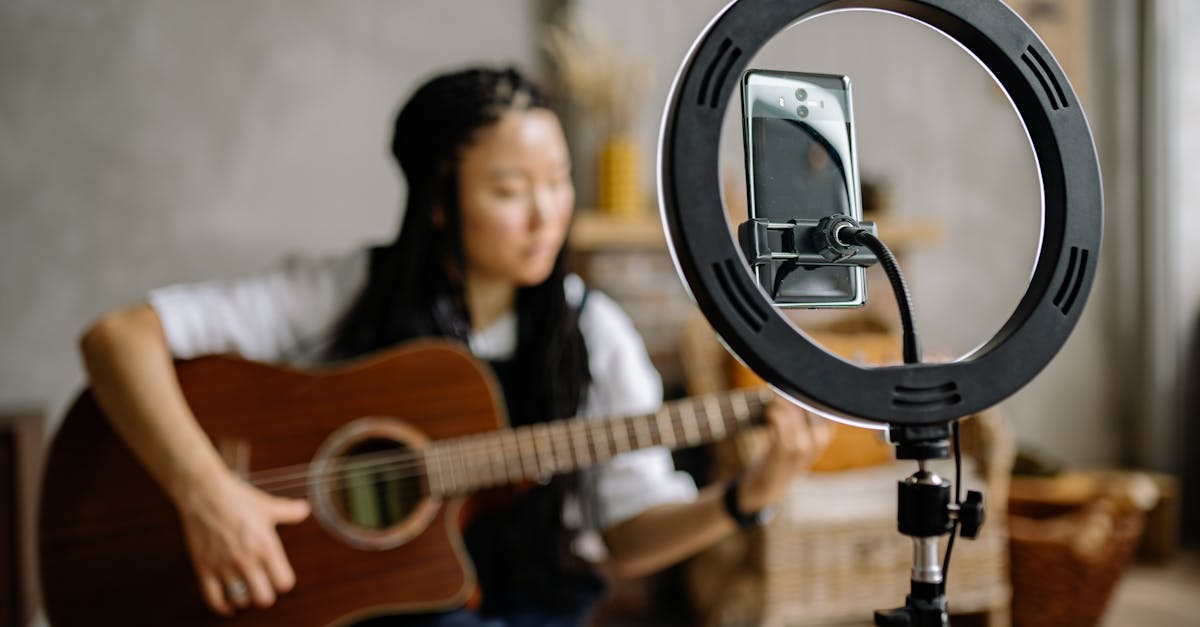
The rise of digital channels is reshaping how arts and entertainment are distributed and consumed. By 2025, platforms like streaming services, online galleries, and digital concert venues will be the norm for accessing art. These channels offer unprecedented accessibility, allowing audiences from geographically isolated areas to experience global art movements. However, this digital shift also poses challenges; artists and creators must learn to navigate the challenges of visibility and discoverability in a saturated virtual environment. Finding innovative ways to stand out and connect with audiences personally will be pivotal in the evolving digital landscape.
Monetization Models
As the nature of arts consumption evolves, so too do its monetization models. By 2025, the 'pay-what-you-want' and subscription-based models are expected to gain traction, providing flexible pricing structures. Crowdfunding and NFTs (Non-Fungible Tokens) present new opportunities for artists to secure compensation and ownership of their work. These models democratize the financial aspects of art creation, allowing artists to receive support from global audiences. They also empower consumers to play a direct role in sustaining the arts, fostering a personal connection between artist and audience.
Shift in Entertainment Content
By 2025, content creators in entertainment are anticipated to prioritize themes that resonate with socio-political and environmental issues. Storytelling will reflect global consciousness, addressing pressing topics like racial equality, gender identity, and climate change. The younger demographic, in particular, values authenticity and purpose in the media they consume, pushing creators to shift their lens towards stories that inspire change. This evolution signals a period of enlightenment where entertainment serves not just for escapism but as a catalyst for reflection and societal progress.
Challenges on the Horizon
Despite its promising outlook, the arts and entertainment industries face several challenges by 2025. As technology evolves, issues surrounding data privacy, ethical AI usage, and content censorship rise to prominence. Additionally, ensuring equitable opportunities for marginalized creators in the digital space is a pressing concern. The blending of virtual and physical realities brings about discussions on intellectual property and creator rights. Addressing these challenges requires a balanced approach—harnessing innovation while safeguarding the rights and freedoms of both creators and consumers.
Conclusion
The anticipated evolution of arts and entertainment by 2025 promises a world of creativity defined by innovation and inclusivity. With technology acting as the bridge, our engagement with art and entertainment is set to transcend traditional modalities. While the future presents unprecedented opportunities, it also demands thoughtful navigation of ethical considerations. As we move forward, the collective responsibility of creators, technologists, and audiences becomes vital in shaping an arts landscape that is responsive, sustainable, and reflective of our shared human experience. The journey to 2025 is only beginning, promising an era where art remains a profound force for connection and change.