Introduction to Art Entertainment Evolution
Art entertainment has undergone a remarkable transformation over the past few decades. With technology at its forefront, the realm of art and entertainment is more dynamic and interconnected than ever. This metamorphosis is not merely a result of technological advancement but also reflects the social and cultural shifts of contemporary society. Today, art entertainment embodies a synthesis of traditional mediums and cutting-edge innovation. From virtual realities to interactive installations, the boundaries of what is considered art are continually expanding. It's crucial to understand these changes to appreciate the rich tapestry of modern art entertainment.
Digital Renaissance in Art
The digital age has ushered in a new Renaissance for art entertainment. Artists now have access to an expansive suite of digital tools that enable them to create, collaborate, and showcase their work globally. Software programs like Adobe Creative Suite and Procreate have democratized art creation, allowing amateurs to produce professional-quality work. Moreover, platforms such as Instagram and DeviantArt provide artists with direct access to audiences, circumventing traditional gallery routes. Digital art forms, including digital painting and 3D modeling, are gaining widespread acceptance and appreciation, blurring the line between digital and traditional art forms.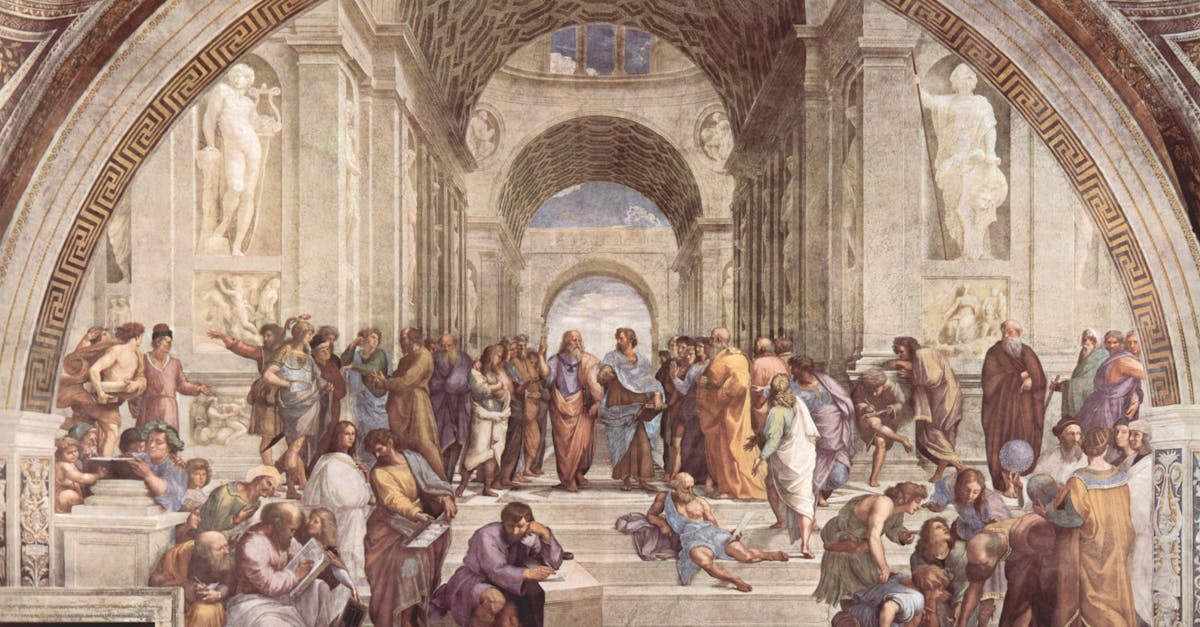
Interactive and Immersive Experiences
Immersive art experiences have captured the public's imagination, offering sensory-rich environments that elicit emotional engagement. Exhibits like Van Gogh Alive and Meow Wolf invite participants to step into otherworldly spaces, offering experiences that are both intimate and expansive. Virtual reality (VR) and augmented reality (AR) technologies further enhance these experiences, allowing viewers to interact with art on a personal level. These technologies enable a shift from passive observation to active participation, redefining how audiences engage with art and blurring the distinction between artist and viewer.
The Rise of Streaming Platforms
Streaming platforms have altered the landscape of art entertainment, providing unprecedented access to diverse art forms. Services like Netflix, Spotify, and Apple TV offer films, documentaries, and music from a multitude of genres and cultures, broadening the scope of artistic exposure. This shift has enabled niche art forms to reach wider audiences, cultivating a new appreciation for global art and diversity. Furthermore, these platforms allow artists to bypass traditional distribution channels, providing them the liberty to create and share on their terms.
Sustainability and Art
In recent years, sustainability has emerged as a significant theme within the art entertainment sphere. Artists and creators are increasingly mindful of the environmental and social implications of their work. This shift is evidenced through the use of sustainable materials, eco-friendly practices, and themes that raise awareness about climate change. Initiatives like the Sustainable Art Prize and Project Pressure spotlight artists who address ecological issues, encouraging the industry to align with global sustainability goals. Art's potential as a platform for advocacy makes it an essential tool for promoting environmental consciousness.
Cultural Inclusivity and Representation
Art entertainment today is more culturally inclusive than at any other point in history. As society becomes increasingly diverse, there is a push for representation in art that authentically reflects the multiplicity of human experiences. This trend is especially evident in film, music, and literature, where creators from various backgrounds are sharing stories that challenge stereotypes and broaden perspectives. Movements such as #OwnVoices in literature and diversity-centered festivals are ensuring that marginalized voices are heard and celebrated within the global art community.
Innovative Art Distribution Models
Innovative distribution models, such as non-fungible tokens (NFTs) and blockchain, are revolutionizing how art is bought, sold, and experienced. NFTs provide a new way for artists to monetize their work, offering verifiable ownership of digital art pieces. Additionally, blockchain offers transparency and security in art transactions, making it a game-changer for the industry. Platforms like OpenSea and Rarible have become pivotal spaces for artists venturing into the digital marketplace, redefining what it means to own and trade art.
The Role of Social Media in Art
Social media platforms are reshaping the art landscape, offering creators a direct line to potential fans and patrons. Instagram, TikTok, and Pinterest are not only vehicles for sharing work but have become integral to the creative process itself. Artists harness these platforms to document their work, share insights into their creative process, and build a community of support. Social media marketing has spawned viral art challenges and collaborations, pushing boundaries and fostering a dynamic cultural dialogue that is accessible to anyone with internet access.
The Future of Art Entertainment
The future of art entertainment is teeming with possibilities driven by technological innovations and societal changes. As artificial intelligence (AI) continues to evolve, we are likely to see even more sophisticated forms of digital art that challenge traditional notions of creativity. The growth of the metaverse suggests a new realm for artistic exploration, combining virtual environments with real-world elements. Future trends will likely strengthen the emphasis on personalized art experiences, making art more accessible and engaging for diverse audiences worldwide.
Conclusion and Reflections
The evolution of art entertainment is a testament to human creativity and adaptability in the face of technological and cultural evolution. Whether it's through digital innovation, cultural representation, or sustainability, the art world continues to push boundaries and reimagine possibilities. As digital and physical worlds fuse, art entertainment offers an engaging canvas for both creators and spectators alike. Despite the challenges and controversies these changes may bring, the future of art entertainment holds endless opportunities. Understanding its current trajectory enables us to appreciate its profound impact on our lives and its role in shaping society.