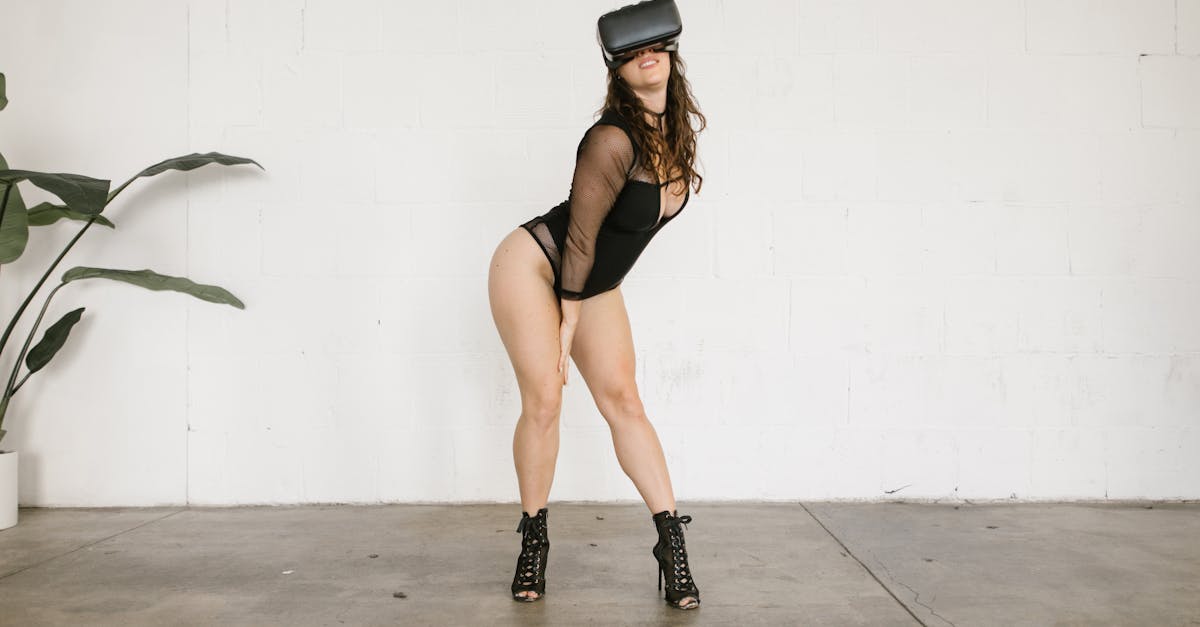
Introduction to Artistic Evolution
As we journey towards the end of the 2020s, art and entertainment are undergoing remarkable transformations, redefining how we engage with creative experiences. Technology, globalization, and changing consumer preferences are reshaping traditional art forms, paving the way for innovative new expressions. Today’s artists are no longer limited by mediums or geography, leading to a melting pot of creativity that spans cultures and platforms. The result is an artistic renaissance that's both exhilarating and unpredictable. With artificial intelligence, immersive technology, and cross-disciplinary collaborations, the next wave of entertainment promises to be revolutionary. Let's dive into the key art entertainment trends that will captivate audiences in 2029.
The Digital Art Landscape
Digital art continues to expand beyond its foundational roots, gaining mainstream acceptance with monumental impact on the entertainment industry. High-definition screens, virtual galleries, and online platforms like ArtStation and DeviantArt have democratized access, enabling emerging artists to showcase their work globally. In 2029, non-fungible tokens (NFTs) remain a steadfast element of digital art, allowing creators to securely sell and transfer ownership of their work. This not only benefits artists but also challenges traditional economic structures within the art market. Moreover, interactive online spaces have enabled virtual art exhibitions, where viewers can immerse themselves in dynamic 'phygital' worlds that seamlessly blend the physical and digital realms.
AI in Creative Mediums
Artificial intelligence is not only transforming industries but also redefining artistic creativity. AI-driven algorithms can now co-create with human artists, offering new tools for music composition, visual art, and literature. In 2029, mainstream acceptance of AI-generated artworks is growing, alongside ethical debates about authorship and originality. AI has also empowered artists to experiment with generative art, digital installations, and interactive experiences. These technologies encourage collaborative innovation, where AI becomes an enabler rather than a replacement. Startups leveraging AI for personalized entertainment experiences—such as tailored playlists or adaptive art—are rapidly gaining traction and reshaping consumer expectations.
Revival of Traditional Art Forms
Contrary to predictions that technology might render traditional art obsolete, there’s a rejuvenated interest in age-old practices. Calligraphy, painting, sculpture, and ceramics are finding new audiences, with artisans embracing modern techniques and materials. There's been a resurgence in interest for tactile experiences as people look to rediscover skills lost to digital convenience. This trend is evident in art festivals and workshops, where participants can engage directly with artists and craftspeople, fostering cultural appreciation and artistic legacy preservation. In 2029, the fusion of ancient and modern offers a blend of nostalgia and innovation—a balance keeping arts alive and thriving.
Augmented Reality in Art Installations
AR technology offers exciting potentialities, transforming static art into dynamic experiences that captivate and engage. Augmented reality applications enable users to interact with art pieces on multiple levels, from exploring hidden elements to altering surroundings with gestures. Art installations are becoming more participatory, with artists incorporating AR to create layered storytelling. Interactive street murals, historic site reconstructions, and art museums are already leveraging AR applications. This enhancement of visitor experience, whether on-site or remote, augments traditional art's reach and impacts our understanding of creativity in contemporary contexts. By 2029, AR is set to be an indispensable component in the future of art.
Sustainability in Artistic Practices
Sustainability has reshaped global industries, and art is no exception. Environmentally conscious creators are pioneering eco-friendly practices, using renewable resources and sustainable materials to produce their work. Installation and performance art are increasingly mindful of ecological impact, with showcases focusing on climate change themes and promoting environmental responsibility. Eco-friendly art not only contributes to sustainability movements but also raises awareness about pressing ecological issues through powerful and visually stunning narratives. As consumers become more eco-aware, sustainable practices are set to become both an ethical benchmark and an innovative competitive advantage for artists by 2029.
Cross-Disciplinary Collaborations
Cross-disciplinary collaborations blending art with sciences and humanities are ushering in a new epoch of artistic possibilities. Partnerships between tech innovators, scientists, and artists are reshaping perceptions of creativity, fostering the emergence of projects with deep cultural resonance. These collaborations allow artists to interpret complex scientific data, exploring themes like biodiversity, physics, and human psychology through various mediums. The integration of disciplines challenges artists to rethink traditional creative processes and reach broader audiences. By bringing diverse voices and expertise together, such collaborations are critical in driving innovation in art entertainment by 2029.
Community-Driven Art Approaches
Art in 2029 increasingly reflects the democratic power of community and participatory engagement. Crowdsourcing, social media, and online platforms encourage publicly influenced art creations, offering accessibility to creators from all walks of life. Community-driven art spaces promote inclusivity, amplify marginalized voices, and foster grassroots movements. Through public installations, murals, and digital platforms, communities can share their voices with the world, democratizing artistic expression. This inclusivity strengthens the relationship between artists and the public, reinforcing the importance of shared experiences and cultural narratives in shaping society. Participation and collaboration are fueling an artful rebellion in the decade ahead.
Art Collectives as Cultural Catalysts
Art collectives, characterized by creativity's collective power, are thriving attributes within the art entertainment landscape in 2029. By blending diverse talents and innovative ideas, these collectives challenge conventional boundaries and harness art's transformative potential to address social and political issues. Members collaborate on ambitious projects, employing a variety of mediums to stimulate conversation and foster social change. Art collectives also serve as incubators for young talent, providing resources and platforms for emerging artists to showcase their work. By embedding themselves within communities, these groups drive impactful dialogues and create interdisciplinary narratives that resonate on multiple cultural fronts.
Summarizing the Artistic Evolution
Art entertainment is on the brink of a thrilling transformation as we progress towards 2029. A seamless blend of digital innovation and traditional practices characterizes this new era. The rise of AI, AR, and digital art reflects our embrace of technology's potential, while the focus on sustainability and community highlights a commitment to ethical evolution. Art collectives and cross-disciplinary collaborations will continue to propel the creative industry forward, driven by a shared goal of positive societal impact. Clearly, art's role in entertainment is evolving, encouraging dialogue between creators and consumers that continues to inspire imaginative exploration.