Introduction
As we move into 2024, the world of arts and entertainment is poised on the brink of exciting changes. From technological advancements to shifts in consumer preferences, the landscape is more dynamic than ever. This article delves into the pivotal trends shaping this industry, offering insights into what audiences can expect. Whether it's streaming services evolving their offerings or artists experimenting with new mediums, the future holds much promise. As creative boundaries expand, so too do the opportunities for artists and audiences alike. Read on to discover the key insights dominating 2024.
Immersive Experiences
A dominant trend in 2024 is the rise of immersive entertainment experiences. Virtual reality (VR) and augmented reality (AR) technology are transforming the way we interact with art and media. Audiences are no longer passive consumers but active participants in stories and exhibitions. VR concerts and AR art installations offer unprecedented engagement, drawing individuals into the heart of the action. This evolution blurs the line between reality and fiction, allowing for deeper emotional connections. As technology improves, the potential for interactive narratives will continue to grow, redefining entertainment.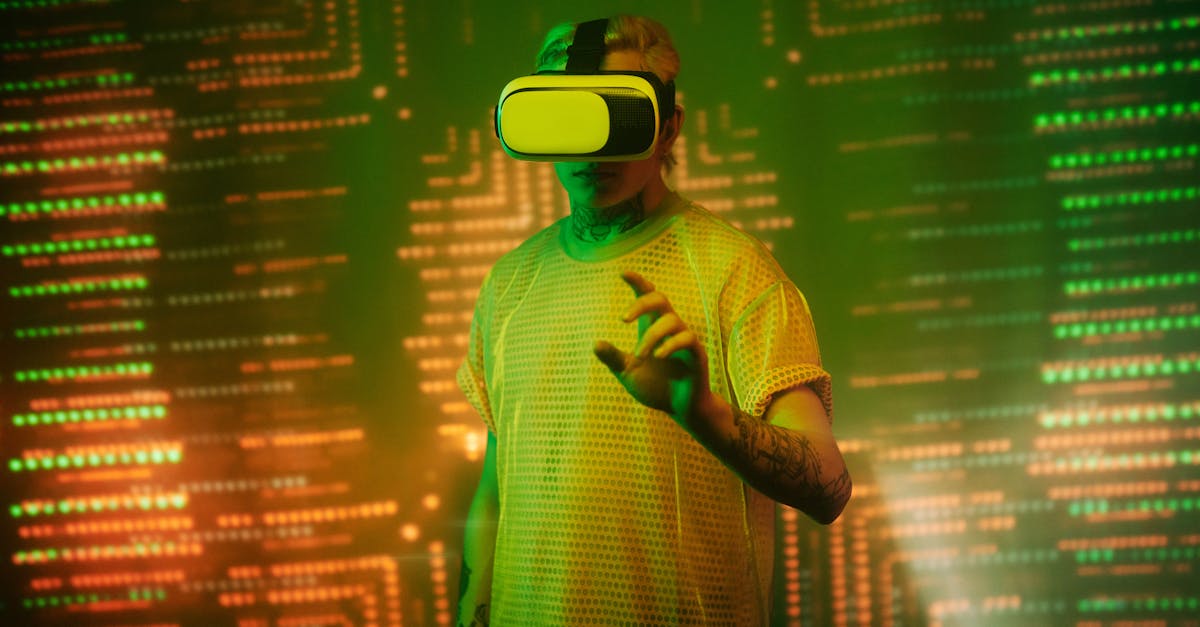
Streaming Services Expansion
Streaming services are on their way to even greater innovation in 2024. With fierce competition, platforms are diversifying content, focusing on niche genres, and introducing interactive formats. Original content, once a luxury, has become a necessity to maintain audience interest. Streaming giants like Netflix and Disney+ are investing heavily in regional content to capture global audiences. They're also exploring live-streaming events, ranging from concerts to award shows. This expansion caters to diverse tastes and keeps subscribers engaged in a highly competitive market.
Art and Sustainability
Sustainability has become an important theme in the arts, with creators incorporating eco-friendly practices. In 2024, many artists and organizations prioritize the environment, reflecting broader societal concerns. Eco-conscious festivals and zero-waste art installations showcase how the arts can promote green initiatives. From reusable materials in set designs to virtual galleries minimizing carbon footprints, the commitment is evident. This shift not only aligns art with environmental advocacy but also inspires audiences to adopt sustainable practices. As awareness grows, sustainability will become more integral to the arts scene.
Diverse and Inclusive Storytelling
Diversity and inclusivity are taking center stage in the realm of storytelling. The arts industry is increasingly celebrating underrepresented voices and perspectives. Films, music, and literature are delving into narratives that reflect varied cultures, identities, and experiences. Inclusive storytelling fosters a deeper connection with global audiences, who see their realities reflected. Initiatives to boost representation ensure that diversity is not a trend, but a sustained commitment. By embracing authenticity, the arts enrich cultural dialogue and broaden societal understanding.
The Rise of AI in Creative Processes
Artificial Intelligence (AI) is revolutionizing creative processes across the arts industry. In 2024, AI tools aid artists in generating new ideas, optimizing production workflows, and enhancing audience analysis. AI algorithms curate personalized content, offering recommendations that match user interests. Artists employ machine learning to explore abstract soundscapes and digital art forms. However, the rise of AI prompts a debate about the balance between technology and human creativity. As AI becomes more integrated, its role in co-creating art will continue to be a point of discussion.
Pop Culture and Music Syncing
Music syncing in pop culture is gaining momentum, reshaping how audiences consume media. Strategic music placements in movies, TV shows, and advertisements are becoming essential to enhance storytelling. This trend not only promotes new talent but revives classic hits, appealing to diverse demographics. Artists benefit from this exposure, reaching listeners they might never have engaged otherwise. Platforms like TikTok are integral to this trend, catalyzing viral music moments and cultural phenomena. The symbiotic relationship between visual media and music continues to be a driving force in entertainment.
Evolving Role of Traditional Venues
Traditional venues are reimagining their roles in the arts ecosystem. In 2024, theaters, galleries, and museums are embracing technological integration to attract broader audiences. Venues introduce hybrid experiences, merging physical attendance with digital access, catering to varied preferences. Innovations such as digital exhibits and AI-guided tours enrich visitor interactions. These adaptive strategies ensure that traditional venues remain relevant in an ever-changing landscape. As they balance preserving heritage and modernizing services, traditional venues open new pathways to experience culture.
Social Media's Influence
In the sphere of arts and entertainment, social media continues to wield considerable influence. Platforms like Instagram, YouTube, and TikTok have become critical tools for artists to reach global audiences. Trends can go viral in moments, creating sensations recognized worldwide. Social media challenges traditional marketing by fostering direct artist-fan interaction. For audiences, it provides a platform to engage, critique, and co-create content. As social media evolves, its role in shaping careers and amplifying artistic voices will remain essential to the arts ecosystem.
Summary and Conclusion
Arts entertainment in 2024 is marked by innovation and adaptability. Tech-driven experiences, sustainability, and diversity are pivotal to this evolution. As audience demands and creative possibilities broaden, the industry is poised for an exhilarating journey. Artists and creators are empowered to push boundaries, fostering rich cultural dialogue. Undoubtedly, as technology and creativity intertwine, the future of arts and entertainment promises immersive and inclusive stories that capture the human experience.