Introduction
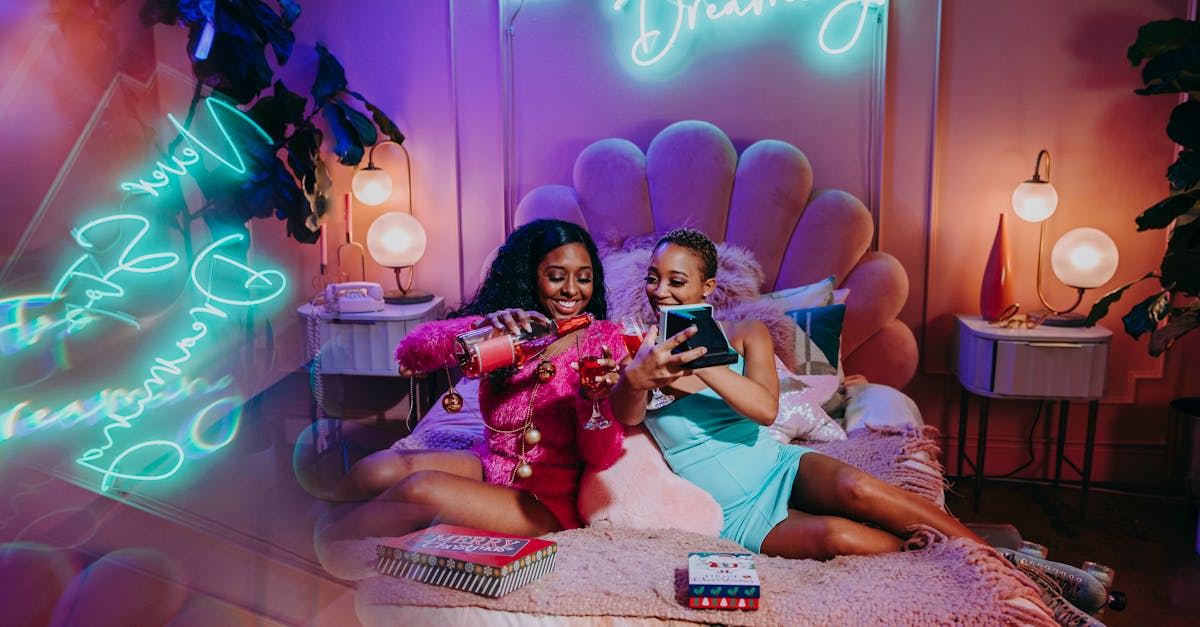
In the rapidly evolving world of arts entertainment, the year 2024 presents an exciting canvas of innovation and creativity. Cultural landscapes are shifting, with technology and traditional art forms intermingling in unprecedented ways. As audiences become more discerning, artists and producers face the challenge of pushing boundaries while resonating with diverse global audiences. This article explores the anticipated visions and trends shaping the arts entertainment scene in 2024. From immersive experiences to digital transformations, the industry continues to redefine storytelling paradigms. With technology accelerating at a breakneck pace, new creative opportunities are emerging like never before. Let's delve into the multifaceted world of arts entertainment to see what 2024 has in store.
Rising Popularity of Immersive Experiences
One of the most significant trends in 2024 is the rise of immersive experiences, giving audiences an unparalleled level of engagement. Traditional art forms are merging with technology to create environments where viewers can interact with the medium itself. Think immersive theater performances, where audience members become part of the story, and art exhibitions transformed into interactive journeys. Virtual reality and augmented reality are redefining the boundaries of engagement, allowing audiences to walk through historical events or explore fantastical worlds. Companies like The VOID and Sleep No More are pioneering ways to blend technology with performance arts, pushing creative boundaries further.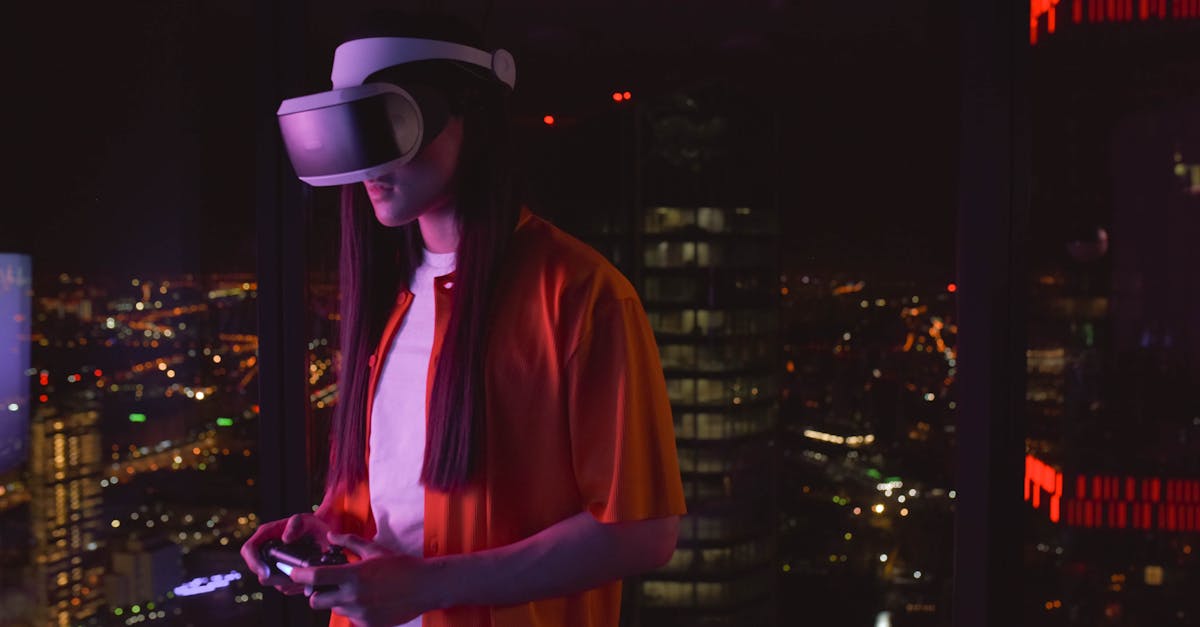
Sustainable Art Practices
In line with global sustainability efforts, the arts and entertainment industry is adopting eco-friendly practices. Artists and producers are turning to sustainable materials and processes, minimizing their environmental impact. Installations powered by renewable energy and eco-conscious film productions are becoming prevalent. This shift is driven not only by the call for environmental responsibility but also by consumer demand for conscious consumption. Green art and entertainment practices are not just trends but a movement transforming how creativity is expressed responsibly. Festivals and exhibitions now increasingly feature panels and workshops centered on sustainability in the arts, further amplifying this crucial dialogue.
Digital Art and NFTs Revolution
Digital art's momentum continues strong in 2024, buoyed by the surge in non-fungible tokens (NFTs) as a mainstream medium of exchange in the art world. NFTs, a digital ledger of ownership, are revolutionizing asset creation and collection. Artists are exploring freedom from physical sale limitations, reaching global audiences instantly. NFTs have sparked curiosity and even controversy, challenging the traditional notions of ownership and value in art. More artists and collectors are getting involved with blockchain technology, using digital platforms like SuperRare and OpenSea to exhibit and trade digital creations. This shift heralds a new era where art is not constrained by physical space.
Cultural Fusion in Global Entertainment
Globalization continues to influence arts entertainment, inspiring a fusion of cultures and artistic styles that captivate diverse audiences. From Bollywood's influence in Hollywood blockbusters to K-pop's global dominance, cross-cultural collaborations are more vibrant than ever. Artists are experimenting with different genres and narratives, reflecting multicultural themes and elements in their work. The popularity of international streaming platforms is fuelling this blend, providing a platform for stories that transcend geographical and language barriers. As cultural exchanges become more fluid, they enrich the tapestry of global entertainment, offering audiences a taste of global diversity wrapped in creative storytelling.
The Boom of Streaming Platforms
The digital streaming platform boom shows no signs of slowing in 2024, with services like Netflix, Amazon Prime, and Disney+ continuing to dominate the market. These platforms offer audience-centric models of content consumption, allowing users to personalize their viewing experiences. The demand for original content is at an all-time high, driving producers to invest in unique storytelling formats and global narratives. This explosion of content gives rise to a democratized platform where indie creators and studios can equally voice their stories to millions. The endless stream of options, however, presents new challenges in capturing and retaining viewer attention in a crowded marketplace.
The Evolution of Live Performances
Post-pandemic, live performances are roaring back, but with noticeable changes. Hybrid performances, combining in-person events with digital broadcasts, are becoming standard. Technology-enhanced shows featuring holograms and AI-driven visual effects are elevating traditional entertainment experiences to new highs. Limited audience sizes during the pandemic sparked innovation to reach wider audiences remotely, a tradition that seems to persist even as restrictions ease. Enhanced connectivity allows live performances to reach global audiences, making arts entertainment more accessible to remote regions. Artists now face the exciting challenge of integrating innovative technologies while maintaining the raw, emotive essence of live performances.
Interactive Storytelling Techniques
Interactive storytelling techniques are marking a new age for arts entertainment, offering audiences choices that impact narrative outcomes. Inspired by gaming, these techniques are trickling into film and theater, giving audiences a new dimension of engagement. Interactive films like Netflix's Bandersnatch and immersive theater experiences offer viewers the power to shape storylines. This participatory approach extends the excitement beyond passive watching, creating compelling entertainment experiences that cater to audience agency. Creators now challenge themselves to develop multiple narrative layers and outcomes, enhancing story depth and engagement quality through ingenious interactivity.
Challenges in the Industry
The arts entertainment industry faces challenges in equal measure to its innovations. As technology evolves, creators struggle with ethical concerns surrounding digital privacy, data usage, and the integrity of creative work in virtual spaces. Monetizing digital creativity, particularly in relation to NFTs, is a continuing debate amidst legal and moral complexities. Balancing innovation with accessibility and sustainability remains a pressing issue. The rapid shifts in consumer trends and behaviors necessitate constant agility for industry stakeholders. Navigating these challenges requires a balance between embracing technology and preserving the authenticity and integrity of art itself.
Conclusion
The arts entertainment sector in 2024 is an amalgamation of tradition and innovation. As digital and physical worlds intertwine, creators and audiences coalesce in this vibrant transition. From digital art and NFTs to cultural fusions and sustainable practices, arts entertainment continues to break boundaries and blur lines. While challenges persist, the sector's adaptability and creativity shine through. As 2024 unfolds, it heralds an era where storytelling is bolder, more immersive, and inclusive, redefining our cultural narrative in an ever-evolving global landscape.