Introduction
The arts are on the brink of a transformative evolution, marked by groundbreaking innovations that promise to redefine creative expression by 2025. The emergence of new technologies, blending with traditional artistic practices, has set the stage for a renaissance in the arts. Today, artists and creators are leveraging the digital revolution to expand and reimagine their craft. As artificial intelligence, virtual reality, and other cutting-edge tools become more accessible, the arts landscape is shifting towards an exciting and inclusive future. While this wave of innovation fosters endless possibilities, it simultaneously challenges long-standing norms and traditions. How will these changes shape the future artistic ecosystem? Let's explore the anticipated transformations in the arts by 2025.
Artificial Intelligence and the Arts
Artificial intelligence (AI) is redefining the way art is created, experienced, and consumed. As algorithms become more sophisticated, AI-assisted tools can draft paintings, compose music, and even write poetry. Artists now collaborate with AI to create unique works that blend human intuition with machine precision. This collaboration offers an unprecedented level of creativity, enabling artists to explore new styles and techniques. Furthermore, AI aids in the curation process, analyzing vast volumes of artwork to build cohesive collections and recommend pieces to audiences. Critics, however, raise questions about authorship and the value of AI-generated versus human-crafted art. Nonetheless, AI continues to break down creative barriers, enriching the artistic realm.
Virtual Reality Transformations
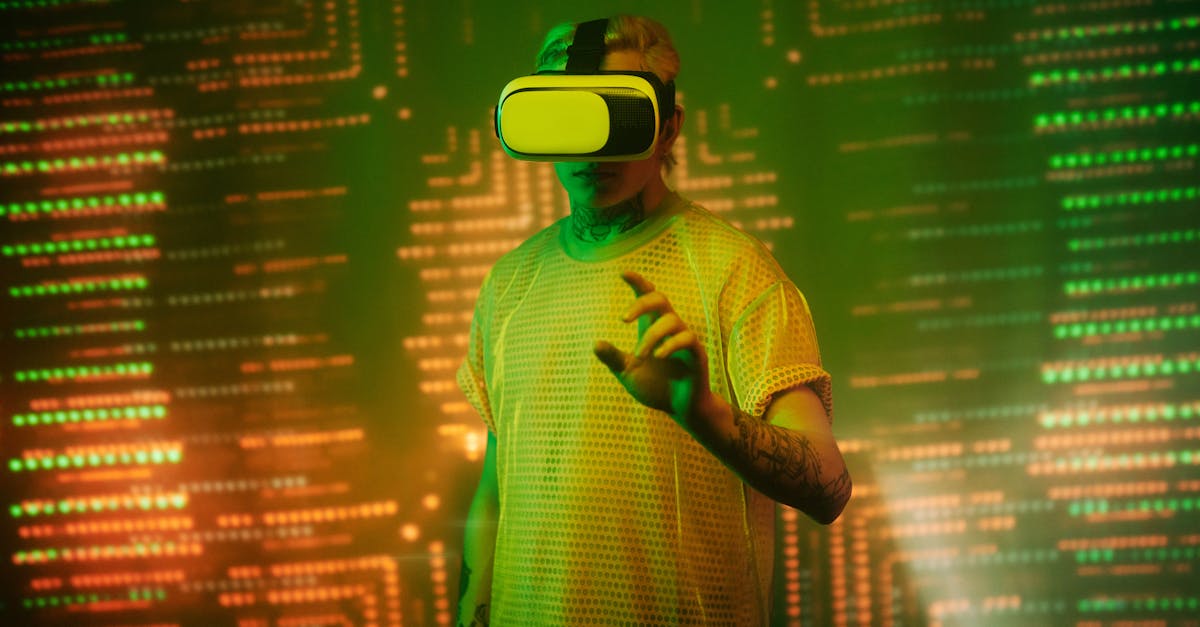
Virtual reality (VR) has elevated the immersive potential of the arts by crafting environments that allow audiences to step inside the artwork itself. With VR technology, viewers can explore a painting's landscape or become part of a dance performance, creating deeply personal and interactive artistic experiences. This unprecedented level of engagement offers opportunities for art institutions and galleries to reach broader audiences globally, breaking physical and financial barriers. Furthermore, VR facilitates remote collaborations among artists, expanding creative networks across continents. While challenges such as the "VR divide" and accessibility remain, VR's capacity to bring art to life promises to revolutionize artistic experience by 2025.
The Rise of Interactive Art
Interactive art leverages technology to involve audience participation directly in the creative process, blurring boundaries between the artist and the viewer. By 2025, installations that respond to human movement, sound, and touch will redefine the gallery and museum experiences. Artists are increasingly incorporating sensors, cameras, and soundscapes to create immersive environments where art evolves with audience interactions. This dynamic approach not only enhances engagement but also democratizes art-making, inviting viewers to become co-creators. Such interactive installations pose new questions about curatorial practices and conservation, urging the art world to adapt to evolving definitions of art.
Sustainable Art Practices
The urgency of environmental issues has led to an emphasis on sustainability in art practices, a trend expected to gain traction by 2025. Artists are creatively using recycled materials, bio-art, and eco-friendly paints to produce works with reduced environmental impact. With sustainability as a focal point, art not only raises awareness but advocates for change through impactful visual narratives. Additionally, the digitalization of exhibitions and art sales minimizes physical resource demands. These eco-conscious practices enable the art community to affirm its commitment to environmental stewardship while inspiring broader societal changes. However, balancing artistry with sustainability presents ongoing challenges that the art world must navigate.
Decentralization and NFT Revolution
The rise of blockchain technology and non-fungible tokens (NFTs) is decentralizing the art market, creating new avenues for artists to monetize their work. NFTs allow digital art collectors to own unique digital tokens, presenting an innovative way for artists to reach global audiences without traditional gatekeepers. This model has disrupted the traditional art market, offering emerging artists a platform to showcase work irrespective of conventional pathways. Simultaneously, it raises concerns around intellectual property and the ethics of digital ownership. As this revolution unfolds, artists and collectors alike are navigating the complexities of art in the digital age, which will continue to evolve by 2025.
Educational Innovations
Arts education is experiencing a shift as technology integrates into learning environments, providing students with tools to create beyond the canvass or stage. Digital platforms and online courses are making arts education more accessible, fostering creativity across diverse demographics. Virtual art studios, coding for creative applications, and digital music production equip students for a future integrated with technology. Institutions are re-evaluating curricula to incorporate digital literacy while maintaining a foundation in traditional practices. By 2025, these educational innovations will produce a generation of artists adept at using new technologies to expand their artistic horizons. Yet, ensuring equitable access another enduring struggle.
Inclusivity and Diversity in The Arts
By 2025, inclusivity and diversity will remain at the forefront of the arts discourse, challenging artists and institutions to break down barriers and broaden representation. The accessibility of digital platforms offers new voices from underrepresented communities a chance to share their stories and perspectives. Emerging artists utilize social media and online marketplaces to bypass traditional narrative constraints, urging inclusivity in art ownership and viewership. Meanwhile, galleries and museums face pressure to diversify their collections and invest in artists from diverse backgrounds. The ongoing shift towards embracing inclusivity signals a transformative era in which diversity is seen not as an expectation but as a foundation of ethical art practices.
Crowdsourced Art Projects
Crowdsourcing has become a powerful tool in collaborative art-making, fostering global partnerships and broadening creative processes. By allowing numerous artists and creators across the globe to contribute to a singular piece, crowdsourced art presents new complexities in authorship and collaborative dynamics. Platforms dedicated to this model enable amateurs and professionals alike to play a part in large-scale projects, challenging traditional perceptions of artistic creation as a solitary endeavor. As a result, the final products often reflect a mosaic of perspectives and skills, revealing the nuanced complexity of human expression. By 2025, crowdsourced art will continue to explore and redefine collective creativity.
Summary and Conclusion
As we look towards 2025, the wave of innovation in the arts presents a spectrum of incredible opportunities and challenges. Artists are continuously adapting, merging technology with creativity to forge unprecedented artistic frontiers. In this era of rapid change, the arts will serve as a reflection of our evolving societies, confronting and engaging with the complexities of modern life. While navigating technological advancements and ethical discourse, art promises to remain a transformative influence and catalyst for social change. Enthusiasts and creators alike await an exciting future—a harmonious blend of tradition with futuristic aspirations in the arts.