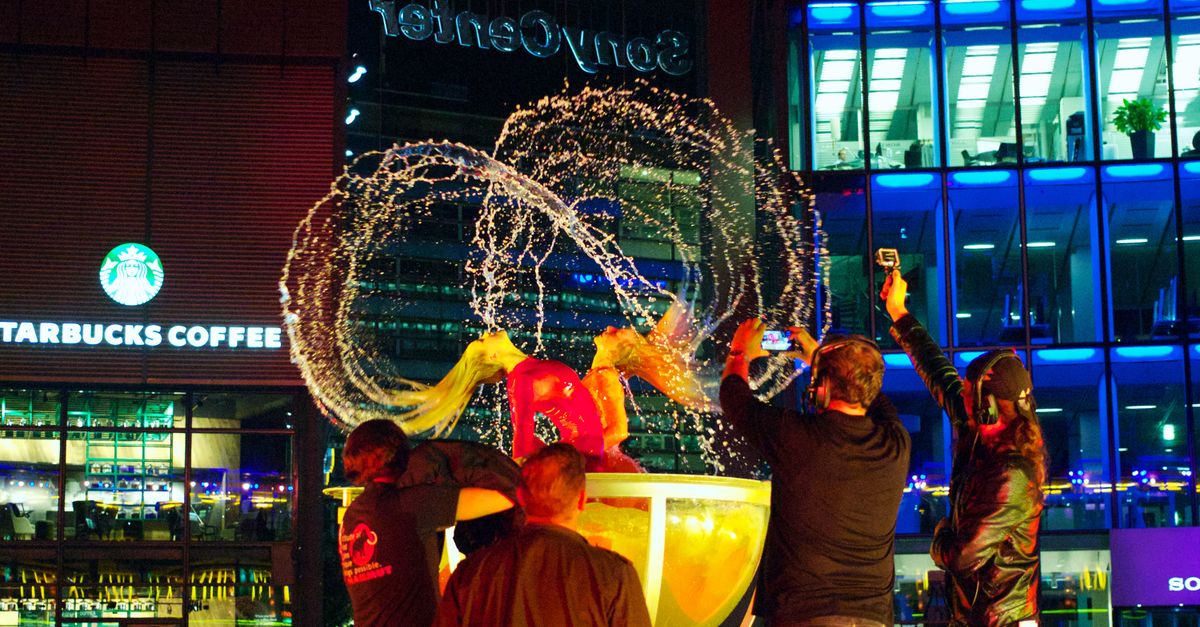
A Stage Made of Water
Culture, creativity, and entertainment often meet in public spaces, where a fountain becomes more than decoration. It can shape mood, invite conversation, and turn an ordinary square into a memorable experience. Seen this way, a fountain is both an artistic object and a small, lively stage for shared human stories.
Where Tradition Meets Public Life
Culture Creativity Entertainment Fountain describes an idea that has existed long before modern screens and speakers: the shared public spectacle. Ancient civilizations used water features to express wealth, hospitality, spirituality, and technical skill. Roman fountains announced civic pride, Islamic gardens used flowing water to suggest paradise, and European plazas made fountains natural gathering points. Their purposes varied, but the principle remained remarkably consistent. Water attracts attention, while public art gives that attention meaning. Even today, people may visit a fountain to admire its design, meet friends, cool off nearby, or simply enjoy a brief pause from the city’s hurry.
Creativity in Motion
Culture Creativity Entertainment Fountain also captures the creative possibilities of moving water. Designers can choreograph streams, mist, light, sound, and sculpture into a changing composition. Unlike a painting, a fountain has rhythm; unlike a theatre performance, it can repeat without becoming exactly the same. Wind alters the spray, sunlight changes the color, and the audience creates its own unscripted activity around the installation. This makes water a wonderfully cooperative artistic material. It has a temperament, occasionally refuses to behave, and never quite delivers the same performance twice—an artist with excellent stage presence and a slightly damp sense of humor.
The Architecture of Belonging
Culture Creativity Entertainment Fountain is especially powerful when it reflects the character of its surroundings. A fountain in a historic district may echo local stonework, myths, or architectural forms, while one in a contemporary arts quarter might use polished steel, digital projection, or abstract geometry. The strongest designs do not merely occupy a place; they interpret it. They can honor regional stories, celebrate important figures, or express a community’s hopes for the future. In this role, the fountain becomes a visual sentence written into the city, helping residents recognize something familiar while giving visitors an inviting introduction.
Entertainment Without a Ticket
Culture Creativity Entertainment Fountain turns ordinary leisure into a shared experience that is usually free and open to everyone. Families watch programmed displays, musicians perform nearby, photographers wait for the perfect reflection, and children invent games around the edges. In larger installations, synchronized water shows can create the energy of a concert or theatrical production without requiring a formal auditorium. The result is entertainment that feels spontaneous rather than packaged. There are no velvet ropes insisting on seriousness, although sensible barriers are useful when enthusiastic toddlers begin treating the fountain as an Olympic event.
Technology Gives Water a New Voice
Culture Creativity Entertainment Fountain has entered a new era through responsive technology. Sensors can adjust jets according to movement, weather, or crowd size, while computer-controlled lighting can transform a daytime structure into an evening spectacle. Projection mapping may place animations across water curtains, and interactive systems can allow visitors to influence patterns with gestures or sound. These tools expand the vocabulary of public art, but technology works best when it supports a strong idea. A dazzling display without a thoughtful purpose is still only a very expensive way to make a puddle feel important.
Community, Memory, and Meaning
Culture Creativity Entertainment Fountain can strengthen social connections because it creates a neutral setting where different groups share the same visual focus. Public celebrations, seasonal festivals, cultural ceremonies, and informal gatherings often form around water features. Over time, these places collect memories: a first photograph, a family reunion, a street performance, or a quiet conversation after a difficult day. Such moments may seem small, yet they give a location emotional depth. A successful fountain is therefore not judged only by engineering or appearance. Its deeper achievement is becoming part of the community’s personal and collective memory.
Designing Responsibly for the Future
Culture Creativity Entertainment Fountain must also respond to environmental and practical concerns. Contemporary projects increasingly use recirculating water systems, efficient pumps, timed operation, rainwater collection, and durable materials. Designers must consider accessibility, maintenance, noise, safety, wildlife, and the needs of people who live or work nearby. A spectacular installation that consumes excessive resources or becomes difficult to repair will age poorly. Responsible design treats beauty and stewardship as partners rather than rivals. The goal is not to eliminate wonder, but to ensure that wonder remains affordable, inclusive, and useful for generations.
A Living Civic Artwork
Fountains continue to endure because they combine several human desires at once: the wish to make beautiful things, the pleasure of gathering, the curiosity sparked by movement, and the delight of a small public surprise. They connect ancient customs with modern technology, turning architecture into performance and spectators into participants. In doing so, they make culture visible, creativity tangible, and entertainment communal. The finest examples do not merely decorate a destination; they help define its personality. Water may be constantly in motion, but the meaning it creates can remain with people for years.