A Culture Moving at Several Speeds
Daily Arts Entertainment News offers a lively map of the culture shaping conversation today. From film premieres and chart battles to gallery openings, stage revivals, and creator-led digital experiments, the modern arts scene moves quickly but rarely without meaning. Beneath the headlines, audiences are choosing new ways to discover, discuss, and support creativity.
The Headlines Behind the Headlines
The latest Daily Arts Entertainment News reflects an industry balancing spectacle with substance. Major studios still rely on recognizable franchises, but smaller productions continue to win attention through distinctive storytelling and strong word of mouth. Festivals, critics, and online communities increasingly act as cultural matchmakers, introducing viewers to work that traditional advertising might overlook. This shift has made the entertainment calendar feel less like a fixed schedule and more like a constantly rearranging playlist. A release can begin at a festival, gather momentum through social media, and reach a global audience before conventional publicity has finished clearing its throat.
Film Finds Fresh Routes to Audiences
Cinema remains one of the most closely watched corners of Daily Arts Entertainment News, particularly as filmmakers reconsider how movies should reach the public. Theatrical releases are becoming event-like occasions, while streaming platforms compete to offer prestige dramas, international discoveries, and ambitious documentaries. The most successful films often combine a clear emotional hook with a visual identity strong enough to stand out in crowded recommendation menus. Audiences are also paying closer attention to directors, cinematographers, and production design, recognizing that a memorable movie is built by many hands. In other words, the credits are no longer merely the portion where everyone locates their coat.
Music’s Big Stories Are More Personal
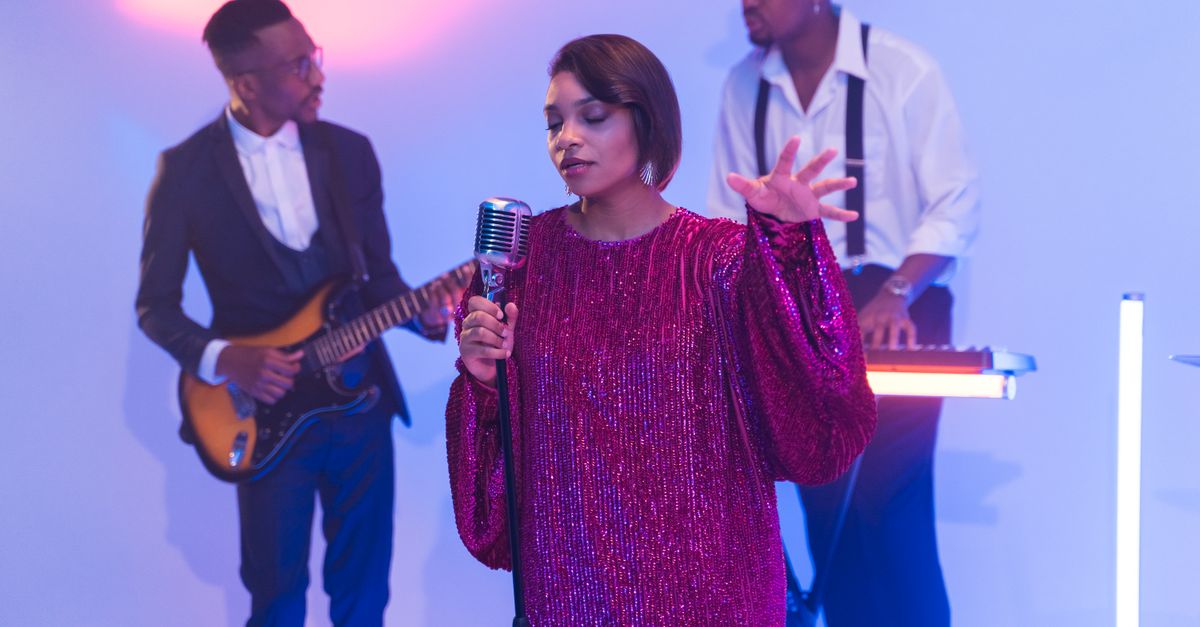
In Daily Arts Entertainment News, music coverage now extends well beyond album launches and award ceremonies. Artists are building detailed worlds through videos, limited editions, intimate concerts, and direct communication with fans. Genre boundaries continue to soften, allowing pop, hip-hop, electronic music, folk, jazz, and classical influences to share the same cultural conversation. Touring remains vital, although performers face rising production costs and increasingly demanding schedules. At the same time, independent musicians are using subscription services, community platforms, and carefully designed merchandise to create careers that do not depend entirely on a single viral moment. The overnight success story still exists; it simply has a rather long night behind it.
Theatre Remains Happily Immediate
The stage occupies a distinctive place in Daily Arts Entertainment News because theatre offers something screens cannot fully reproduce: the unpredictable energy of people sharing one room. New musicals, experimental dramas, touring productions, and revitalized classics are attracting audiences with varied expectations. Producers are exploring flexible venues, shorter running times, and accessible ticket models, while performers continue to demonstrate how much emotional force can fit inside a relatively small space. Contemporary productions also give greater attention to design, movement, sound, and inclusive casting. Even familiar stories can feel newly urgent when presented through a different cultural lens or with a sharper question at their center.
Visual Art Steps Into Public Conversation
Museums and galleries are also prominent in Daily Arts Entertainment News, especially as institutions rethink how exhibitions can welcome broader audiences. Large retrospectives still draw crowds, but smaller shows often generate equally lively discussion by focusing on emerging artists, overlooked movements, or urgent social themes. Digital catalogues, virtual tours, and interactive installations have expanded access without replacing the value of standing before an original work. Curators are increasingly expected to provide context rather than simply arrange objects in handsome rooms. That means exhibitions can function as arguments, invitations, and occasionally very elegant disagreements about what deserves attention.
Creators Build Their Own Channels
The digital economy has changed how cultural work is made, marketed, and measured. Independent writers, illustrators, comedians, musicians, filmmakers, and commentators can reach audiences directly, reducing the distance between creator and supporter. This independence brings clear advantages, including greater control over subject matter and presentation, but it also creates new pressures. Creators must often become their own editors, publicists, community managers, and accountants while navigating recommendation systems that reward regular output. The result is a lively but demanding environment in which personality has become part of the product. Audiences may arrive for a piece of work, then stay for the ongoing relationship around it.
The Business of Attention
Behind every premiere, exhibition, concert, or online release lies a complicated business of attention. Publicists compete for limited coverage, platforms study viewing habits, and cultural organizations search for sustainable funding. Advertising remains important, but audiences increasingly respond to authenticity, distinctive expertise, and meaningful participation. Partnerships between brands and artists can provide valuable resources when they respect the creative work rather than treating it as decorative wallpaper. Sustainability is another growing concern, from touring emissions and event waste to fair pay and responsible production. The central challenge is to make culture visible without turning every creative decision into a sales pitch.
Why Context Still Matters
The strongest coverage does more than list premieres, winners, controversies, and opening dates. It explains why a project matters, where it fits within a larger tradition, and how audiences are responding to it. Context helps readers distinguish a genuinely influential development from a brief burst of online noise. It also encourages curiosity across disciplines: a film may borrow from painting, a concert may draw on theatre, and a video game may tell a story with the ambition of a novel. Cultural reporting works best when it remains alert to both the immediate excitement and the longer history quietly standing behind it.
A More Connected Cultural Picture
Daily Arts Entertainment News ultimately presents a culture that is broad, fast-moving, and increasingly interconnected. Film, music, theatre, visual art, and digital creativity now influence one another as readily as they compete for attention. Audiences have more choices, creators have more tools, and institutions have more responsibility to make their work accessible and meaningful. The most durable stories will be those that pair innovation with craft and popularity with genuine substance. In that busy landscape, curiosity remains the best guide, and culture remains far too interesting to be reduced to a simple trend report.