The Current Canvas of Visual Arts
In the ever-evolving realm of visual arts, creativity knows no bounds. From digital art revolutions to the reinvention of traditional crafts, the field is a vibrant tapestry of innovation and expression. As art enthusiasts, collectors, and creators converge, understanding these dynamic trends becomes essential in grasping the essence of what makes visual arts so compelling today.
A Digital Renaissance
Just as Da Vinci and Michelangelo redefined arts in their era, contemporary artists are ushering in a digital renaissance. With the advent of digital technology, art has transformed from static masterpieces on canvas to dynamic animations on screens. This revolution has expanded the borders of artistic expression, enabling artists to reach global audiences with unimaginable ease.
Reimagining Traditional Crafts
Despite the allure of digital advancements, traditional crafts are far from obsolete. Quite the opposite, in fact. Artisans are reinvigorating age-old techniques, merging them with modern aesthetics to create intriguing hybrid artworks. These pieces strike a harmonious balance between heritage and modernity, drawing attention to the ongoing value and beauty of traditional craftsmanship in the visual arts landscape.
The Intersection of Art and Sustainability
In recent years, sustainability has become a buzzword, and the art world is no exception. As artists use their creativity to comment on social issues, the environment has become a central theme. Resourceful creators are utilizing recycled materials, eco-friendly paints, and innovative techniques to craft pieces that echo environmental awareness and encourage viewers to contemplate their own ecological impact.
The Role of Galleries in a Digital Age
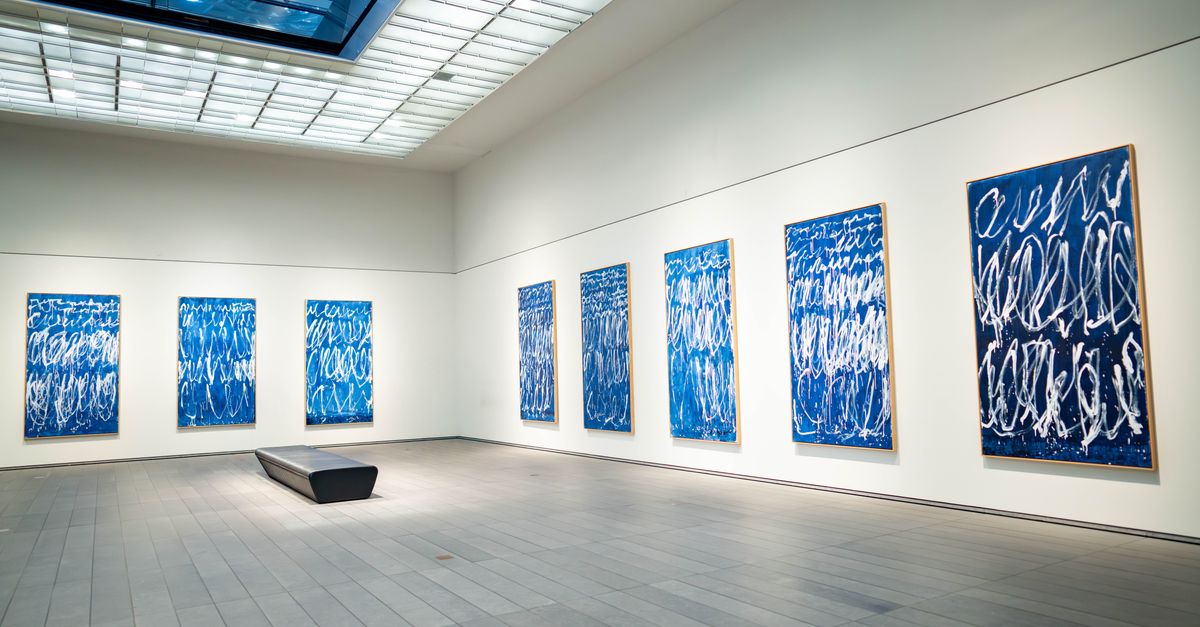
While online platforms have made art more accessible, galleries remain pivotal spaces for artistic showcase and appreciation. They provide immersive experiences impossible to replicate through a screen. As digital accessibility increases, galleries are evolving to present multifaceted exhibitions that incorporate virtual elements, bridging traditional and modern realms of art presentation.
Visual Arts Influencing Social Change
Art has always been a powerful catalyst for social change. Today’s visual artists harness the medium's influence to address pressing world issues. From highlighting inequality to advocating for human rights, artworks become the voice of movements, sparking dialogues and inspiring action. Art not only entertains but educated minds, pushing the boundaries of its purpose.
Globalization and Cultural Exchange
Globalization in the arts has opened doors for cultural exchange, enriching the visual arts with diverse influences. Artists draw inspiration from various cultures, creating a mosaic of styles and techniques that transcends geographical barriers. This exchange fosters a deeper understanding and appreciation of different traditions, ultimately making the art scene a more interconnected and vibrant entity.
The Future of Visual Arts
As we journey into the future, the course of visual arts is as unpredictable as it is promising. Technological advancements will continue to shape the discipline, offering new tools and mediums. Meanwhile, traditional and contemporary methods will coexist, each influencing the other. The marrying of diverse art forms assures that visual arts will remain dynamic and enthralling.
Conclusion
The flow of visual arts in our era is an exhilarating blend of old and new, mindful and experimental. It's a world where digital innovation complements timeless traditions, and where sustainability marries with audacity. As art continues to reflect society, transforming challenges into opportunities, one thing is clear: visual arts will forever captivate our imaginations, inducing contemplation and fostering growth. May we all continue to immerse ourselves in this colorful journey.