
Introduction to Immersive Arts
By 2027, immersive arts have become a transformative force in entertainment, blending technology, creativity, and human engagement. These arts immerse participants in experiences that go beyond traditional storytelling, incorporating elements like augmented and virtual reality. The boom in this field reflects a shift towards more interactive and experiential forms of arts and entertainment. With advancements in technology, consumers now demand deeper involvement in the art they consume. Professional creators and hobbyists alike are leveraging new technologies to craft unique experiences. This evolution is reshaping not only leisure activities but also how we perceive art itself.
Virtual and Augmented Reality Dominance
Virtual Reality (VR) and Augmented Reality (AR) have moved beyond mere novelties to become central to the immersive arts experience. By 2027, sophisticated headsets provide lifelike experiences, drawing audiences into exquisitely detailed virtual worlds. AR, on the other hand, seamlessly blends digital elements with the real world, enabling talented creators to present art exhibitions in urban spaces. Whether through gaming, virtual concerts, or museum tours, VR and AR redefine the way we engage with content. This convergence has democratized access to global cultures and histories, transforming remote artworks into tangible experiences.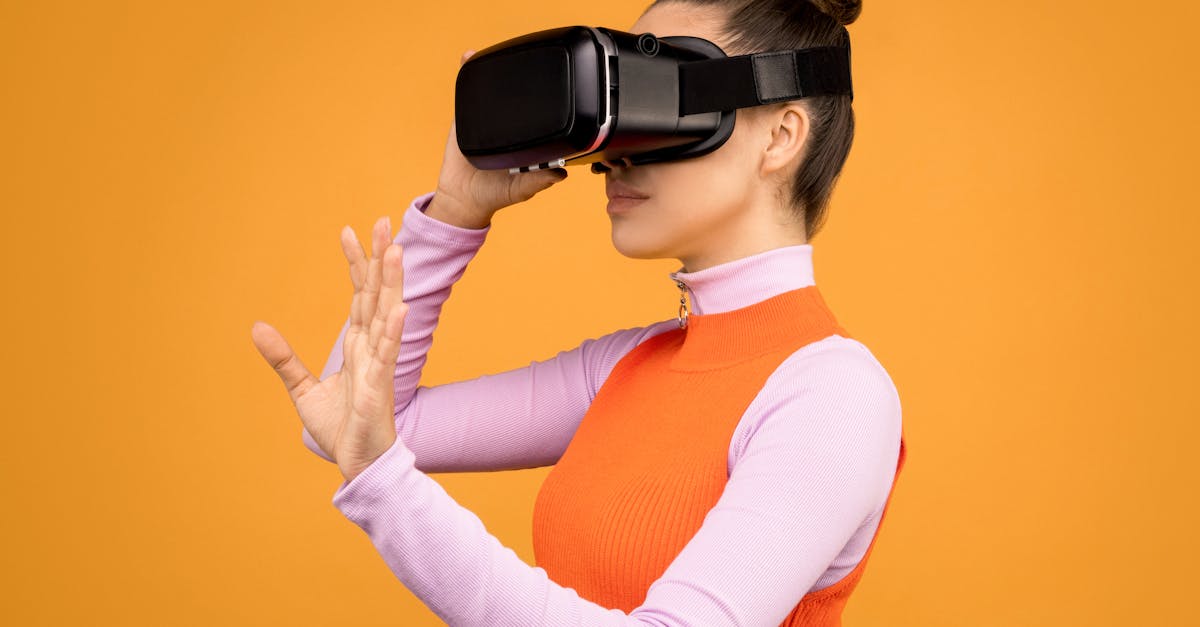
The Era of Holography
Holography has entered mainstream artistic endeavors, adding a layer of realism previously unachievable. By 2027, holograms rival conventional visual displays, enabling artists to create three-dimensional projections that blend light and sound. The incorporation of holography in performance art has allowed for unprecedented creativity, with performers interacting with holographic characters or backdrops. Meanwhile, museums use holographic guides that narrate stories and provide context, enriched by user interactions. Beyond static displays, holography has the unique potential to further elevate educational tools and bring to life historical figures or past events.
Interactive Storytelling Revolution
Interactivity is at the heart of contemporary immersive arts, allowing audiences to become co-creators of their experiences. With choose-your-own-adventure narratives, recent productions invite active viewer participation, shaping outcomes based on choices made. This trend blurs the line between spectator and participant, allowing personal involvement in narrative construction. By 2027, interactive films and experiences are commonplace, pushing the boundaries of storytelling. This evolution in narrative expression maximizes audience engagement, as participants feel a sense of ownership over the outcomes of stories they directly influence.
Participatory Theatre Reinvented
Participatory theatre in 2027 defies traditional norms, removing the physical barriers between audiences and performers. Productions designed for walk-through or interactive viewing involve audiences as supporting characters or decision-makers. These experiences often incorporate digital interfaces and real-time performer interactions, creating a dynamic and ever-evolving performance space. Productions are increasingly site-specific, transforming locations into immersive stages, whether in open city spaces or unconventional settings like warehouses. This pushes the participatory approach to new heights, making each performance a one-of-a-kind event molded by its audience.
Sonic Arts and Immersive Soundscapes
Sound has taken a frontline role in immersive experiences, with sonic arts exploring its potential to transform spaces and emotions. By 2027, sound design and spatial audio technologies provide hyper-realistic auditory environments, immersing listeners completely. From immersive concerts that make listeners feel as if they're part of a live orchestra, to sound installations that transform public spaces, the potential is vast. Advanced acoustics simulate environments ranging from tranquil forests to bustling urban markets, offering auditory journeys that evoke deep emotional responses. This auditory transformation is redefining how we experience and appreciate sound.
Data-Driven Artworks
Data is the new canvas for artists in 2027, with data-driven art exploring patterns, trends, and unseen connections. Leveraging algorithms and machine learning, artists can create dynamic pieces that evolve based on variables like real-time user interactions or environmental changes. Interactive installations respond to visitors' movements, emotions, or inputs, generating highly personalized art. This fusion of technology and creativity allows abstract concepts to be visualized, opening new dialogues and interpretations. As technology continues to advance, data-driven art blurs the boundaries between the tangible and intangible, inspiring a new wave of digital artistry.
Ethics and Social Impact
While the growth of immersive arts is commendable, it raises significant ethical considerations. In 2027, issues of privacy, consent and the digital divide are paramount. The accessibility of these technologies varies globally, and creators are urged to consider inclusivity and equitable access. Furthermore, as immersive events blur reality lines, ethical storytelling and participant well-being are prioritized. As the landscape evolves, fostering inclusivity while addressing these challenges is essential in ensuring the arts benefit all societal sectors without exploitation or exclusion. These discussions shape the responsible development of immersive arts.
Impact Beyond Entertainment
The immersive arts' impact extends well beyond entertainment, influencing sectors such as education, therapy, and heritage conservation. By providing engaging and interactive experiences, they revolutionize educational methods, enhancing learning in subjects that benefit from vivid storytelling. Therapeutically, they offer promising applications in mental health, offering virtual environments for patients seeking new modalities of healing. In heritage conservation, they allow for the digital preservation and reconstruction of endangered sites, offering unprecedented access to cultural heritage globally. This shift highlights the potential for immersive arts to solve real-world problems.
Conclusion and Future Directions
Immersive arts have redefined the cultural and technological landscapes of 2027, providing audiences with unparalleled levels of engagement and creativity. As these trends continue to develop, they will further influence and transform diverse sectors. With opportunities abound, the arts remain a powerful tool for communication, education, and culture. The key lies in harnessing this potential responsibly, ensuring ethical practices and equitable access. As we venture forward, the blending of technology, creativity, and ethics will craft experiences that continue to amaze and inspire, expanding what art can mean in our lives.