
Introduction
In the mesmerizing universe of arts, a splash of narratives colors our perceptions, evoking emotions and sparking imaginations. From the dramatic performances to vivid portraits and captivating cinema, storytelling bridges the gap between art forms, turning passive observation into active engagement.
Narratives in Live Performances
The original and enduring relationship between narratives and arts is showcased in live performances like theater and dance. These performances rely on a strong storyline to bring characters to life and transport audiences to different worlds. Perhaps it's Shakespeare's timeless plays or a contemporary ballet, stories are the lifeblood of these art forms, engaging audiences with compelling tales.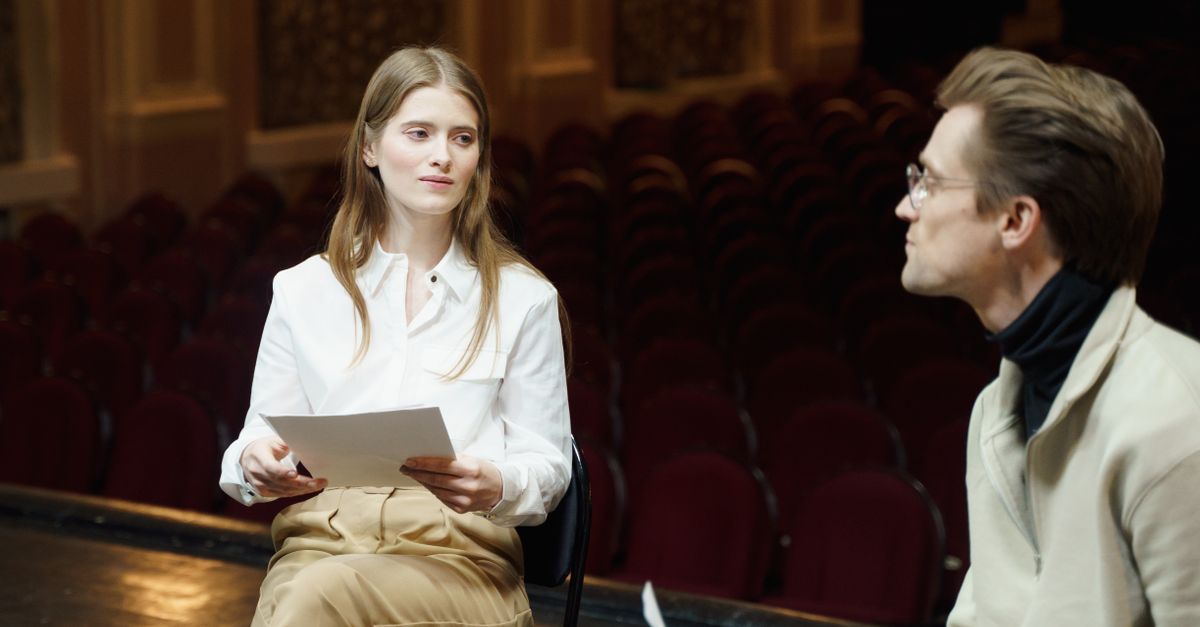
Artistic Expression in Paintings
At first glance, you might see paintings and wonder how static art can tell a story. Yet, artists have mastered weaving narratives into their work. The Mona Lisa's enigmatic smile and the whirling chaos in Van Gogh's Starry Night are more than visuals; they're stories crafted through brush strokes, colors, and textures.
Cinema: A Melting Pot of Narratives
Cinema brilliantly amalgamates narratives with visual artistry. Filmmakers painstakingly script tales that resonate across cultures and generations. Whether it’s the epic battles of Star Wars or the intricate plots in Inception, the art of storytelling transforms moving images into powerful experiences that stay with us long after the credits roll.
Role of Narratives in Music
Music, though abstract, taps into the fundamental human desire for stories. Whether it’s the heartache in a blues ballad or the triumph in a symphony, music tells tales that transcend words. Consider the operatic sagas of Puccini or the narrative poetry of Bob Dylan that captures listeners, weaving stories with melodies and lyrics.
Sculpture: Stories in Solid Form
Sculptors mold narratives into three-dimensional forms, capturing moments and emotions through chiseled artistry. Michelangelo’s David or Rodin’s The Thinker exemplifies the marriage of narrative and form, where every curve and angle conveys a deeper story as if captured in mid-sentence, frozen in time.
Emergence of Interactive Art
The digital age introduces interactive art experiences, where narratives transform traditional spectators into participants. Virtual reality and augmented reality art offer immersive stories where audiences can explore narratives through technology, creating an engaging blend where the story unfolds with their interaction, adding a new layer to narrative arts.
Conclusion
In diverse expressions, narratives are the soul of arts entertainment, turning casual encounters into profound experiences. Whether through the script of a play, the brushstroke of a painter, or through interactive adventures, stories captivate us. As they expand and evolve in tandem with technology, our experience of narratives in art promises to be richer, vibrant, and endlessly fascinating.