The Allurement of Motion in Art
In the vibrant tapestry of art, swirling elements captivate the senses, blending movement and expression into a mesmerizing spectacle. From dance to visual arts, this phenomenon creates a multifaceted experience that invites viewers to get lost in its fluidity and vibrancy.
Art and Dance: Swirling Movements
Dance is arguably the most visually striking representation of swirling arts, where the spinning skirts of flamenco dancers and the seamless pirouettes of ballerinas take center stage. These performances blur the lines between discipline and freedom, capturing the raw elegance of human emotion through every twirl and leap.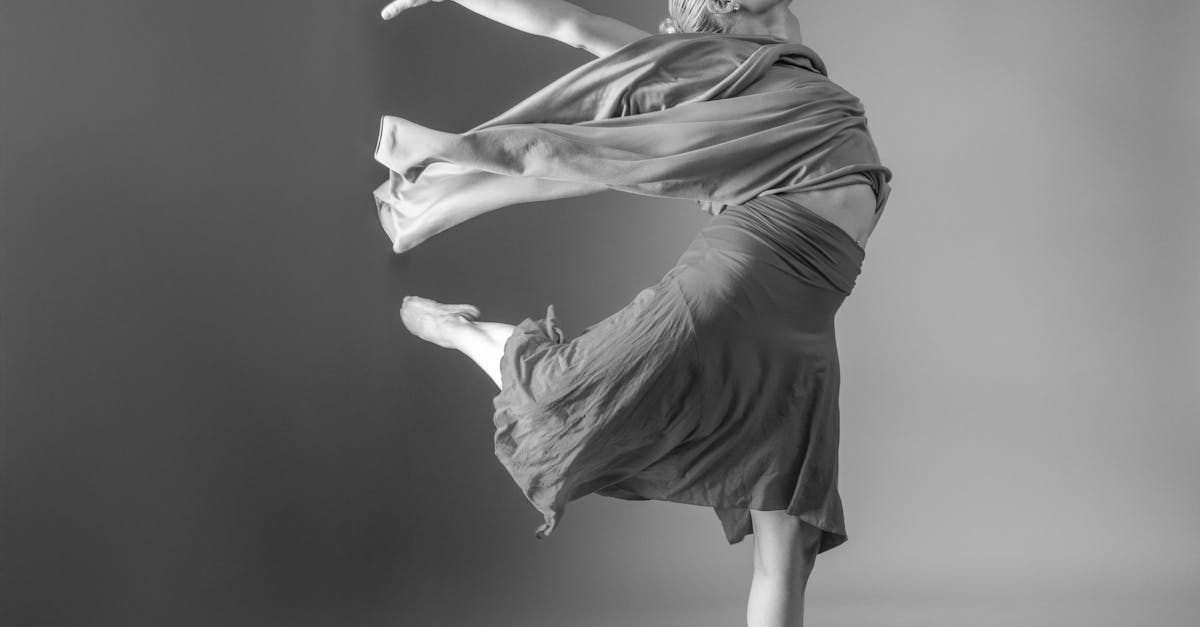
Swirl in Visual Arts: The Painter's Touch
In painting, artists embrace swirling strokes to invoke life's chaos and wonder. Van Gogh's swirling skies in 'Starry Night' exemplify how movement can be captured on canvas, creating a dynamic scene that seems to pulsate with energy, connecting viewers with their own sense of movement.
Digital Arts: A New Spin on Swirls
The digital age has introduced new dimensions to swirling arts, where artists now employ software to generate mesmerizing animations and projections. This modern twist allows creatives to explore infinite possibilities, layering vibrant colors and patterns into visual narratives that continuously evolve right before your eyes.
Swirling Arts in Street Performances
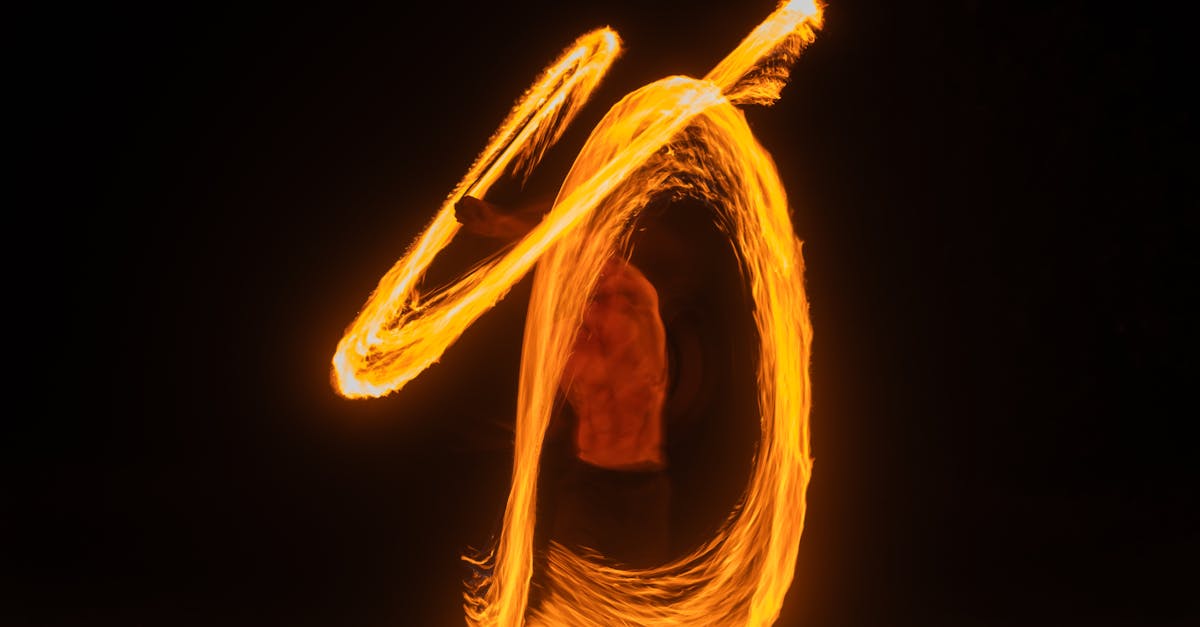
Street performers have long embraced the swirling arts, employing techniques like poi spinning and ribbon twirling to capture audiences' imaginations. These acts transform busy urban landscapes into stages of radiant artistry, showcasing the blending of cultures and styles in mesmerizing whirlwinds.
The Therapeutic Aspects of Swirling
There's an undercurrent of meditation within swirling arts, where repetitive, circular motions have been found to offer mental tranquility and focus. Engaging in practices like mandala drawing or tai chi harnesses the power of the swirl, inviting practitioners into a meditative state that enhances personal well-being.
Cultural Importance of the Swirl
Swirling arts have played a significant role in many cultures, symbolizing cycles of life and the universe. From indigenous dances to ancient spiral symbols, swirling patterns connect communities to their ancestral roots, reflecting both history and cosmology in every turn and twist.
Swirling Spectacle Beyond the Surface
Beneath the fanciful swirls lies a fascinating interplay of techniques and emotion. Artists and performers worldwide continue to push boundaries, inspired by an innate desire to create beauty in movement. Beyond its showy swirls, this phenomenon plays an intricate part in personal expression and cultural dialogue.