Introduction
In an era defined by rapid technological advancement, the world of arts and entertainment is undergoing a transformation unprecedented in scale and scope. This metamorphosis, often hailed as the "Digital Renaissance," is marked by the integration of digital technologies into various artistic and entertainment realms. From augmented reality to blockchain art, these innovations are reshaping traditional artistic expressions and audience engagements. However, what does this mean for artists, producers, and consumers? How are digital tools extending the boundaries of imagination and creativity? This exploration seeks to unpack the complexities of the digital renaissance, tracing its roots and speculating on its trajectory within the arts and entertainment industry.
A New Era in Artistic Creation
The advent of digital tools has unlocked a new era of artistic creation, allowing artists to explore uncharted territories in their work. Digital paintbrushes, virtual canvases, and AI-assisted design tools have expanded the possibilities for creators, enabling them to bring to life concepts unimaginable a decade ago. Digital art platforms like Procreate and Adobe Creative Suite offer artists a vast palette beyond the physical limitations of traditional mediums. This democratization of artistry means that more individuals can experiment and create with fewer resources, leveling the playing field across diverse backgrounds and skill levels. As digital and traditional art forms converge, artists have the freedom to blend classic techniques with modern technology, offering viewers entirely new sensory experiences.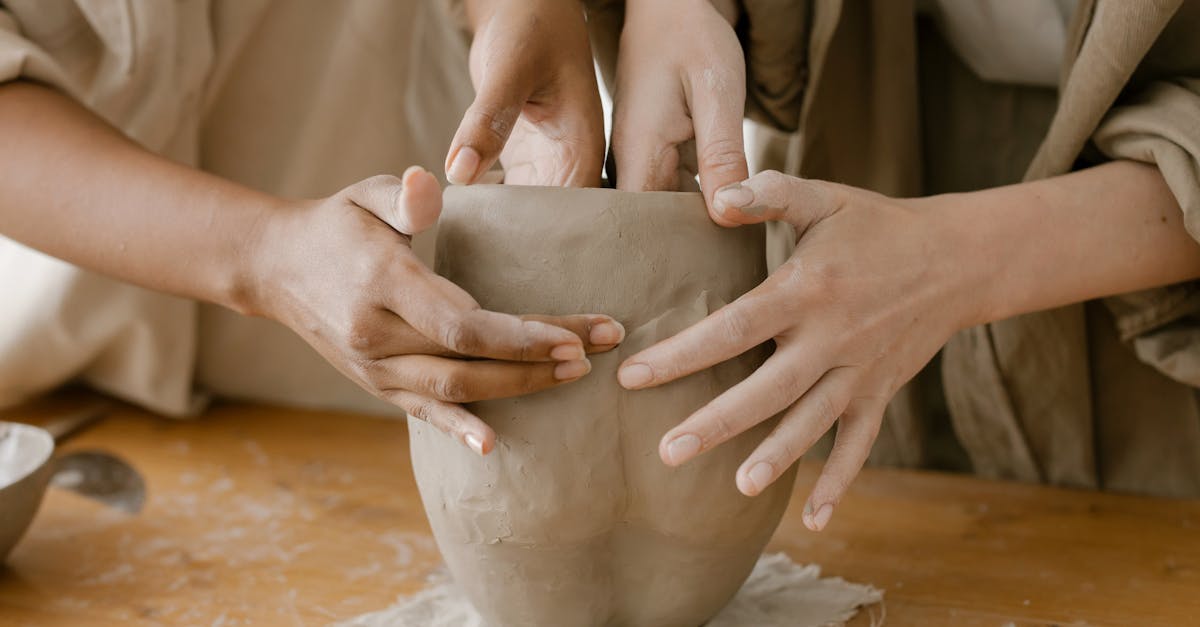
Entertainment's Digital Transformation
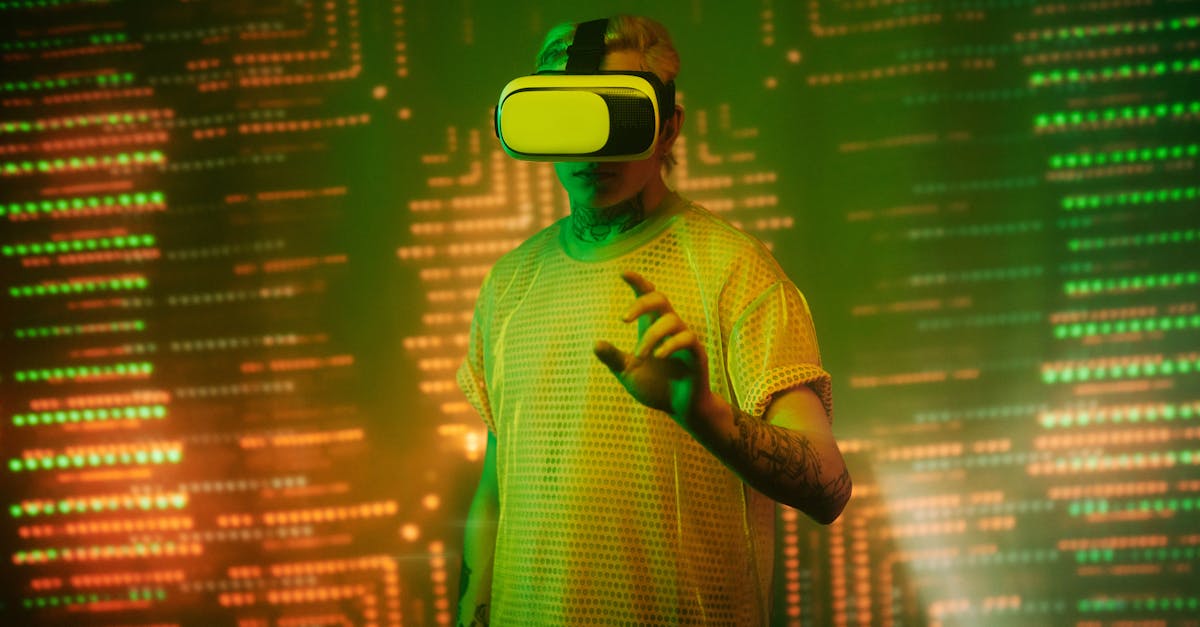
The entertainment industry, too, is experiencing a seismic shift as it embraces the potentials of the digital renaissance. Streaming services have revolutionized the way content is consumed, providing instant access to millions worldwide with just a click. Moreover, platforms like TikTok and YouTube have democratized content creation, giving rise to new genres and stars who tailor their offerings to niche audiences. The rising popularity of virtual reality (VR) movies and 360-degree videos is pushing the envelope further, offering immersive experiences once confined to the realm of science fiction. Content is no longer passively consumed; instead, interactive narratives enable audiences to influence story outcomes, bringing a new dimension to viewer participation and satisfaction.
The Role of Artificial Intelligence
Artificial intelligence (AI) is playing an increasingly pivotal role in shaping the future of arts and entertainment during this digital renaissance. Utilized by filmmakers, musicians, and writers, AI algorithms can generate music, predict audience preferences, or even assist in screenplay writing. Companies like OpenAI continue to make strides in generative art, where machines create complex visuals and compositions autonomously, offering both inspiration and collaboration to human creators. Beyond creation, AI also enhances distribution strategies, enabling platforms to recommend content tailored to individual tastes and preferences. This symbiotic relationship between AI and human creativity unleashes a cornucopia of possibilities impossible to foresee just years earlier.
Blockchain and the Art Market
In the art market, blockchain technology emerges as a revolutionary force by providing transparency, provenance, and ownership verification. The introduction of non-fungible tokens (NFTs) has ignited conversations around digital art's value and commodification. Now, digital artists can authenticate original pieces with intrinsic value, offering investors unprecedented confidence in digital acquisitions. Blockchain's ability to register a secure, immutable record of ownership allows artists to maintain royalties on secondary sales, altering traditional revenue models. As NFT marketplaces expand, emerging creators and prolific artists are empowered to showcase their work globally, reaching audiences and collectors without relying on traditional gatekeepers, such as galleries and auction houses.
Connecting Through Online Platforms
Digital platforms are transforming how artists and audiences connect and interact. Social media channels like Instagram and Twitter facilitate direct engagement with fans, offering glimpses into the everyday lives and processes of artists. Livestream performances on platforms like Twitch and Zoom grant artists the stage to perform for global audiences without geographical constraints. Online galleries and VR exhibitions provide novel, accessible spaces for showcasing work, breaking down the barriers between creators and their audiences. By harnessing the communal power of digital platforms, artists and entertainers find innovative ways to share their messages, build communities, and inspire change.
Educational Innovations in Arts
Education is also evolving in response to the ongoing digital renaissance, with institutions integrating technology into arts curricula worldwide. Students now have access to a plethora of online resources, tutorials, and workshops that are often free or low-cost, broadening the array of skills they can acquire. Virtual reality offers students immersive learning experiences, from exploring famous galleries globally to participating in masterclasses with renowned artists from the comfort of their homes. This technological integration ensures that the next generation of artists is well-versed in digital tools and opportunities, preparing them for a dynamic and tech-savvy creative landscape.
Challenges and Ethical Considerations
Despite tremendous advancements, the digital renaissance confronts various challenges and ethical questions. Concerns over copyright infringement, data privacy, information overload, and the digital divide require innovation and vigilance. The fast-paced both seller-driven nature of NFTs raises concerns about market saturation and potential exploitation of less tech-savvy creators. Moreover, dependence on digital platforms can lead to increased pressure on artists to constantly produce engaging content, risking creative fatigue. These challenges necessitate an ongoing dialogue between stakeholders, creators, and technologists to ensure responsible integration of technology into arts and entertainment and sustaining an equitable and inclusive ecosystem.
Futuristic Unfolding: The Path Ahead
As we stand on the brink of an ever-evolving landscape, the future appears limitless for the realms of arts and entertainment. Experimentation with augmented reality (AR) promises immersive exhibits and interactive storytelling that bring alternate realities into everyday life. Advancements in 5G technology herald more seamless connectivity for globally distributed productions, enhancing collaborations across continents. Decentralized platforms could democratize distribution further, offering unprecedented autonomy to independent creators. While the specifics of what lies ahead are yet to be determined, one certainty remains—the digital renaissance continues to provoke innovation and imagination, inspiring a new generation of artists ready to redefine creative expression.
Conclusion
The digital renaissance symbolizes a transformative epoch where arts and entertainment embrace technological change, reshaping experiences and perceptions. The convergence of traditional and digital mediums allows creators to explore tell stories in innovative ways, while audiences engage with content meaningfully. Despite associated challenges, the potential for ingenuity, accessibility, and democratization remains unparalleled. As the digital renaissance unfolds, it will be crucial for artists, technologists, and consumers to collaborate, ensuring sustainability and inclusivity in creativity. This synergetic relationship will drive invaluable cultural evolution, ushering in a rich future of boundless possibilities that continues to captivate and inspire.