Captivating Artistry: A Voyage to the Arts Renaissance
The Renaissance Rebirth: A Colorful Awakening
The Renaissance marked a thrilling reawakening of the arts, a stunning departure from the medieval gloom. It was a period saffroned with creativity, as cultural boundaries expanded and new artistic expressions emerged. From Florence's frescoes to Rome's sculptures, the Renaissance was an artist's dream come true, painting Europe with a palette of vibrant hues.
Advertisement



Italy: The Beating Heart of Artistic Revival
Italy undoubtedly served as the fertile ground where this artistic seed blossomed. Cities pulsated with creativity; Florence, for instance, was the undisputed capital of artistry where dedicated patrons supported masters like Leonardo da Vinci and Michelangelo. These renowned artists transformed visions into artforms, bringing innovation into sculpting, painting, and architecture with infectious zeal.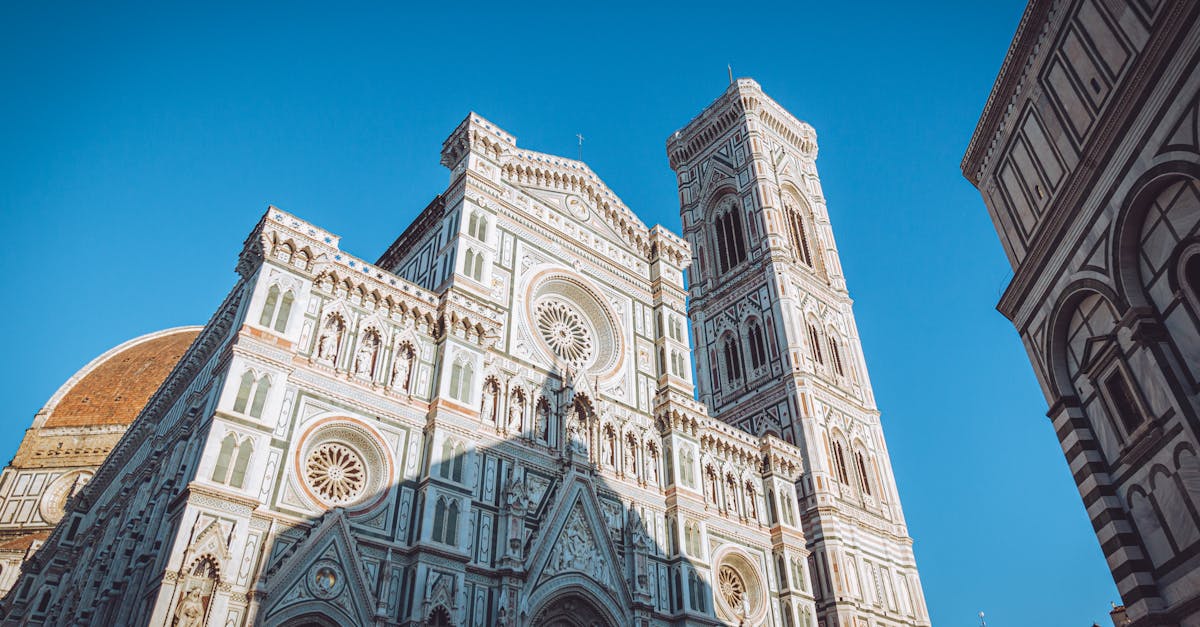
Advertisement
The Explosion of Techniques
Renaissance artists weren't merely creating; they were innovating. Techniques like linear perspective brought depth and realism to the canvas, while chiaroscuro played with light and shadow to add drama. These innovative methods allowed for an unprecedented level of detail in artwork, forever altering the expectations of viewers and inspiring generations to come.
Advertisement
Sculptures That Sing Stories
The Renaissance reshaped sculptures, making them dynamic storytellers in stone. Michelangelo's David became a symbol of strength and beauty, while Donatello's works infused human emotion into marble. These sculptures were not mere objects but breathing entities that echoed the intricacies of human experiences and philosophies, adding depth to the physical form.
Advertisement
The Pan-European Influence
While Italy was the cradle, the Renaissance's ripple reached every corner of Europe. The Northern Renaissance brought its unique flair—with oil painting techniques flourishing—evidenced in works by masters like Albrecht Dürer and Jan van Eyck. The Northwest corridor revelled in capturing life's minutiae, offering a distinctive contrast to the Italian focus on grand narratives.
Advertisement
Masters Behind the Masterpieces
Every Renaissance masterpiece had a genius behind it. From Raphael's harmonious compositions to Botticelli's ethereal forms, each artist left an indelible mark on the canvas of history. Their works don't merely rest in galleries; they continue to inspire contemporary artistry, reminding creators of the timeless love for craftsmanship and audacity to explore boundaries.
Advertisement
Architecture's Grand Leap Forward
Architecture too saw a transformation, with the Renaissance revamping stone and mortar. From the towering Colosseum-inspired designs to Brunelleschi’s Dome, a new architectural language emerged. Propelled by humanist values and a reverence for classical antiquity, structures were grounded in symmetry and balance, harmonizing human ambition with natural order.
Advertisement
Renaissance's Lasting Legacy
Conclusively, the Renaissance was no ephemeral phase; it was an extraordinary passage filled with captivating artistry. An era where storytelling flourished across canvas, stone, and parchment, sparking philosophies and dialogues. Even today's artworld basks in the shadows of the Renaissance, finding inspiration in works that surged forth with unwavering charge and left a trail of profound influences.
Advertisement