Flowing into Expression: Evolution of Art
Introduction
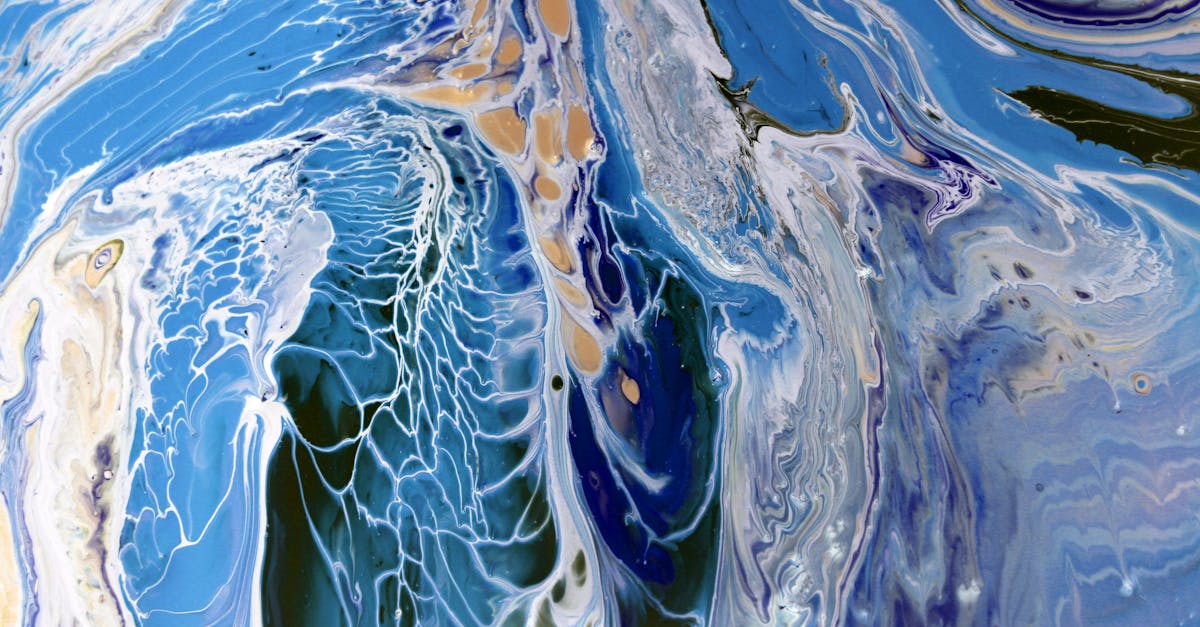
Artistic expression, a vibrant tapestry woven through time, reflects the essence of human creativity. From the dawn of cave paintings to the digital canvases of today, art remains a potent vehicle for sharing culture and emotion. The journey of artistic styles and techniques embodies a dynamic evolution shaped by societal changes and technological advances.
Advertisement
Ancient Echoes: Early Art Forms
The origins of art hark back to prehistoric cave paintings, where early humans conveyed stories through primitive yet profound imagery. These first artistic expressions captured daily life, connecting viewers to the spirits of their creators. The simplicity of these works belied their significance, establishing art as a means to communicate beyond the limits of spoken language.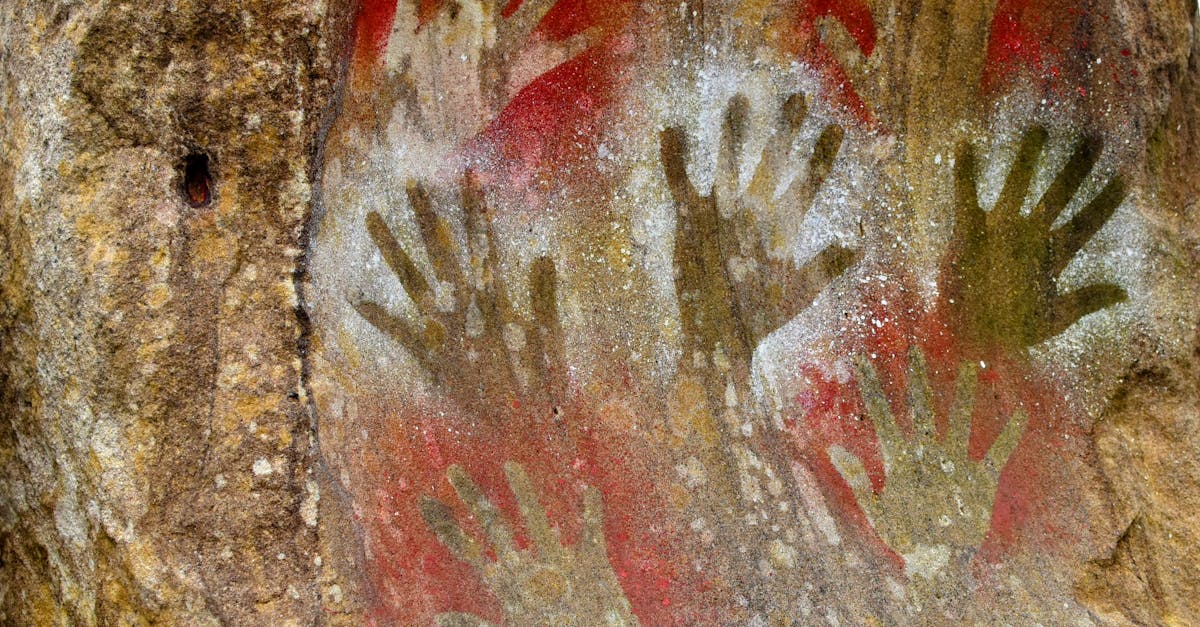
Advertisement
Renaissance to Reformations: Shaping Art's Role
The Renaissance period marked a critical juncture in art's journey, marrying artistic creation with burgeoning philosophical and scientific exploration. Artists like Leonardo da Vinci and Michelangelo transcended traditional boundaries, blending realism with idealism. As societies transformed, so did art, becoming both a catalyst and mirror to social and intellectual revolutions.
Advertisement
Impressionism: Capturing Fleeting Moments
Impressionism emerged in the late 19th century as artists like Monet and Renoir broke free from established norms to portray the ephemeral nuances of light and color. Through rapid brush strokes and vivid hues, Impressionism represented a shift in perspective—away from exact replication and toward the emotional resonance of a moment. This evolution opened pathways for future radical approaches in art.
Advertisement
Modern Art: Expression Beyond Boundaries
The turn of the 20th century brought forth Modernism, where icons such as Picasso and Duchamp challenged aesthetic conventions. This era celebrated experimentation, embracing abstraction, surrealism, and expressionism. Art evolved beyond mere depiction, grappling with themes of identity, chaos, and innovation, reflective of a world shaped by war, industrialization, and cultural shifts.
Advertisement
Digital Galaxies: The Contemporary Landscape
Today, technology is a cornerstone of artistic evolution. Digital art thrives, offering platforms like virtual reality, NFTs, and augmented reality for creators to explore new realms. The accessibility of technology democratizes art, fostering diversity and global collaboration. This digital renaissance challenges traditional notions, valuing the process of creation as much as the final product.
Advertisement
Streamlining Creativity: Collaborative Creations
Artistic creation is no longer a solitary pursuit. Collaborative projects flourished, harnessing the power of collective insight. Artists often work alongside scientists, designers, and technologists, broadening the definition of artistic expression. Joint ventures like these forge interdisciplinary bridges, enriching art's potential impact on society and blurring the lines between art, science, and technology.
Advertisement
Conclusion
The evolution of artistic creation is a testament to humanity's unyielding drive to express. From ancient cave paintings to cutting-edge digital art, artists have continuously reshaped mediums and messages to mirror our ever-changing societies. This vibrant journey underscores art's enduring power as a universal language, bridging cultures and touching hearts across the globe.
Advertisement